
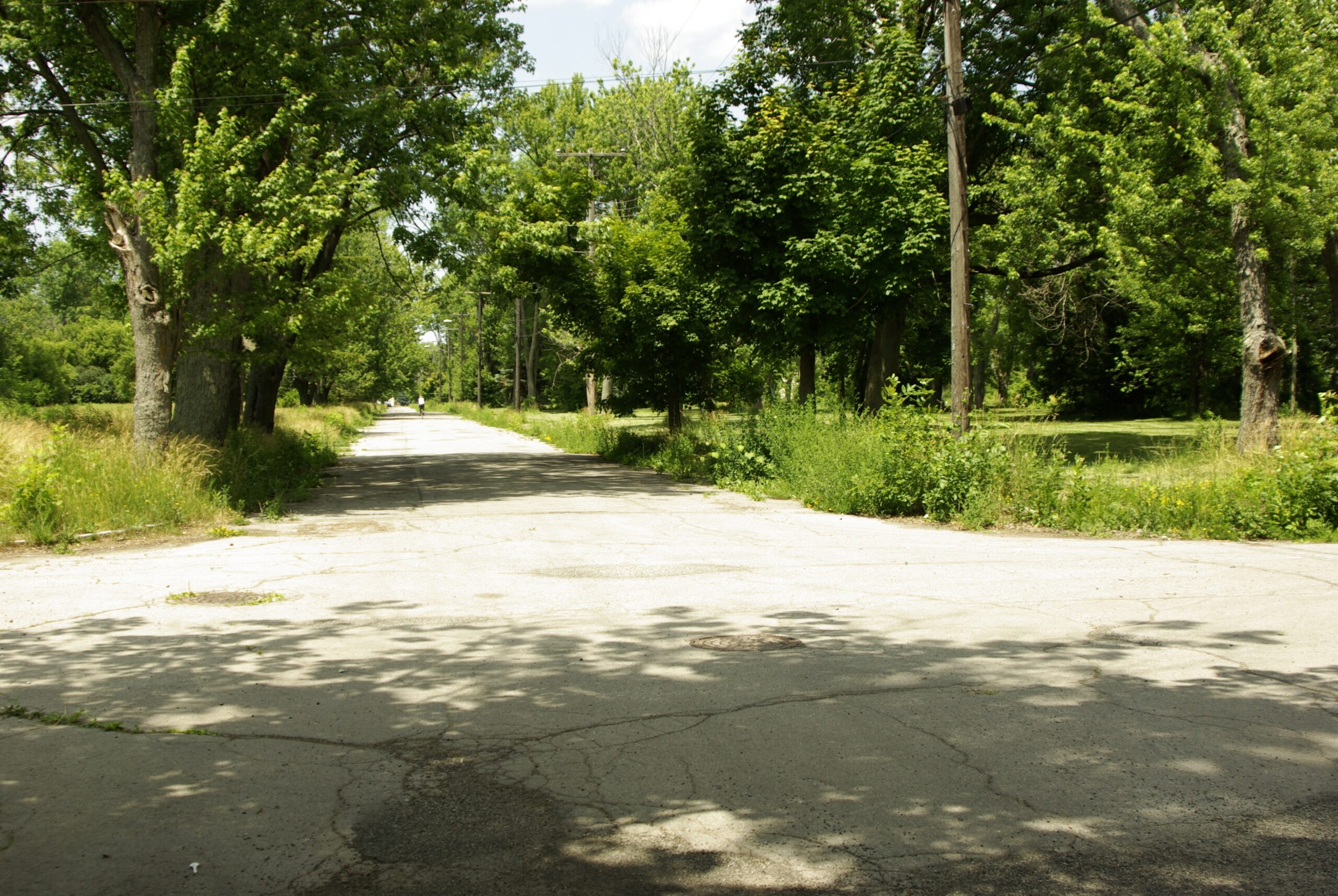
The Love Canal Disaster
Introduction
The Love Canal disaster is one of the most consequential environmental tragedies in modern American history, and it unfolded in a residential neighborhood of Niagara Falls, New York. Beginning in the 1940s, more than 20,000 tons of chemical waste were buried in an abandoned canal, and homes and a school were later built directly on top of it. By the late 1970s the leaking toxins had triggered a public-health emergency, mass evacuations, and sweeping changes to United States environmental law.
The Birth of Love Canal
The canal takes its name from William T. Love, an entrepreneur who in the 1890s planned to dig a channel between the upper and lower Niagara River to generate hydroelectric power for a new model city. Only a short section was ever excavated. Economic depression and advances in long-distance electricity transmission made the scheme unviable, and the partially dug canal was abandoned.
A Chemical Dumping Ground
From the 1940s through 1953, the Hooker Chemical Company used the abandoned canal as a disposal site for roughly 20,000 tons of industrial waste, including benzene, dioxin, and other chlorinated chemicals. The company covered the filled canal with a clay cap intended to seal the waste in place.
Residential Development
In 1953, Hooker Chemical sold the covered canal site to the Niagara Falls Board of Education for one dollar. The deed included a lengthy clause acknowledging the buried chemicals and attempting to release the company from future liability. Despite that warning, the land was quickly developed for public use.
Construction of Love Canal Neighborhood
The board built the 99th Street School directly over the former dump, opening it in 1955, and developers erected hundreds of single-family homes around it. Construction breached the clay cap, and it never contained the buried chemicals, which would migrate into yards, basements, and groundwater in the decades that followed.
Environmental Impact and Health Crisis
Through the 1960s and 1970s, the hazardous chemicals steadily seeped into the surrounding soil and water table. Unknown to the families living above, toxic substances were surfacing in their gardens, basements, and the schoolyard.
Mysterious Symptoms and Birth Defects
Children and adults began experiencing unexplained health problems, ranging from respiratory issues and skin rashes to birth defects and miscarriages. Residents reported clusters of illness, but the link to the buried waste remained difficult to prove for years.
Local Activism Emerges
In the late 1970s, concerned residents led by Lois Gibbs organized the Love Canal Homeowners Association and demanded proper investigation of the health problems in their community. Their persistence shifted the public narrative and eventually drew national attention to Love Canal.
Discovery and Declaration of an Emergency
In 1978, investigations by the New York State Department of Health confirmed the extent of the contamination. In August, the state ordered the 99th Street School closed and began relocating the families in the two rings of homes closest to the canal. As the emergency widened over the next two years, roughly 950 families were ultimately moved out of the neighborhood.
Federal Intervention
On May 21, 1980, President Jimmy Carter issued a second federal emergency declaration for Love Canal, authorizing funds to help relocate hundreds of additional families. The crisis put toxic waste on the national agenda and became a defining test case for how the federal government would handle abandoned hazardous sites.
The Aftermath and Legislative Changes
The Love Canal disaster had lasting implications for environmental legislation and public-health practice. It reshaped policy, regulatory frameworks, and public awareness of toxic waste and its consequences.
Creation of the Superfund Program
Love Canal was a driving force behind the Comprehensive Environmental Response, Compensation, and Liability Act (CERCLA), signed into law in December 1980. Commonly known as the Superfund law, it created a program to fund the cleanup of hazardous waste sites and to hold responsible parties accountable. Love Canal became one of the first sites addressed under the new program, and it was cleaned up and removed from the Superfund National Priorities List in 2004.
Increased Regulation and Awareness
The disaster led to stricter rules on the handling and disposal of toxic waste. It also raised public awareness of the risks of living near contaminated ground, prompting more thorough environmental review of land before it is developed for housing.
Conclusion
Love Canal turned a working-class neighborhood in Niagara Falls, New York, into a national symbol of what happens when hazardous waste is buried and forgotten, and it directly shaped the environmental laws that govern contaminated land today. Travelers who want to understand the region’s fuller history can explore its historic sites and the exhibits at the Niagara Falls History Museum.