
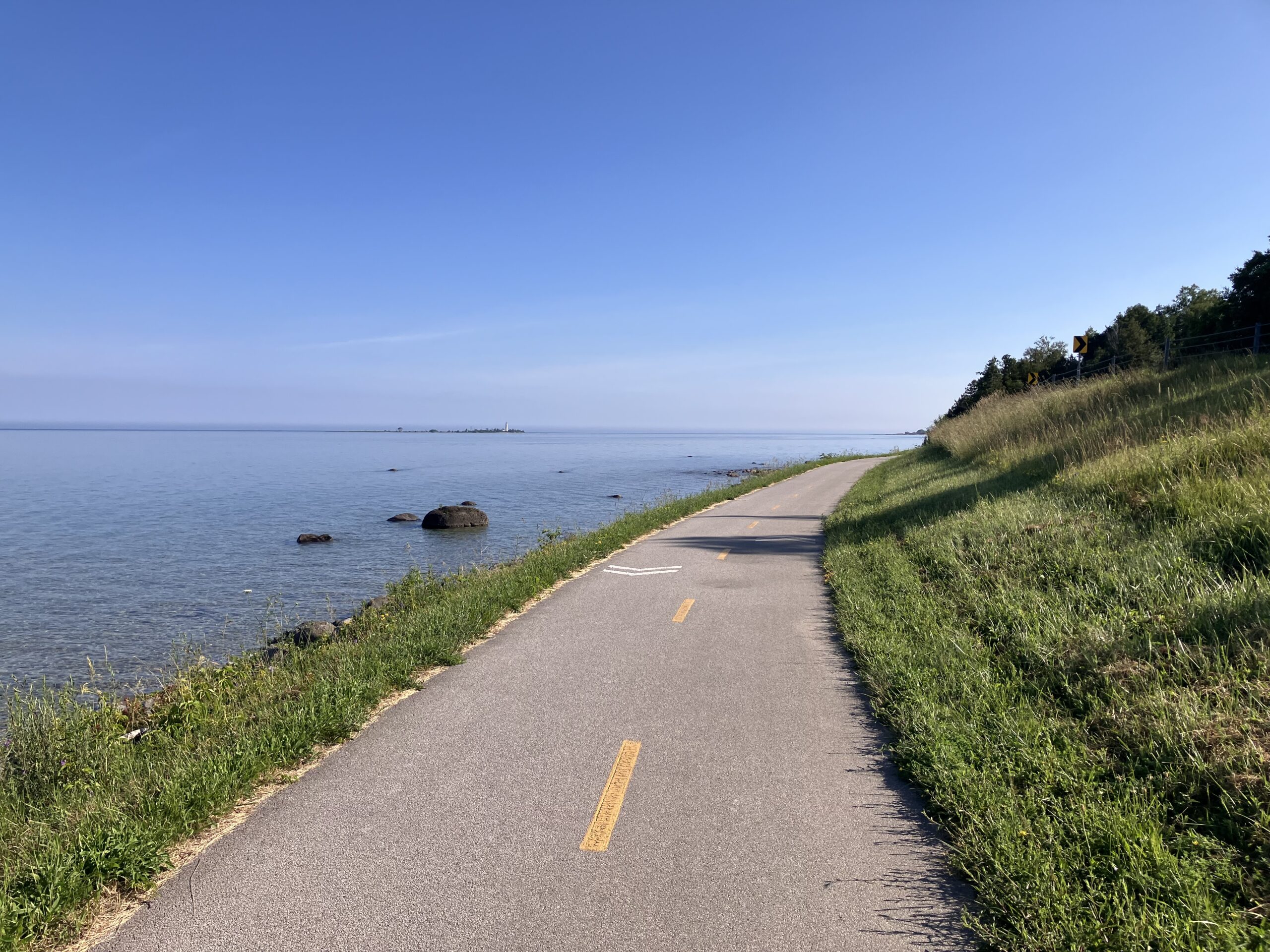
Cycling is one of the best ways to experience Niagara Falls and the wider Niagara region. Instead of fighting for parking, you can roll along the river on a mostly car-free paved path, stopping at overlooks, historic sites and wineries at your own pace. The centrepiece is the Niagara River Recreation Trail, a flat, scenic route that runs the length of the Canadian side of the river. Here is a practical, independent overview to help you plan your ride.
The Niagara River Recreation Trail
The Niagara River Recreation Trail is a paved, non-motorized path that follows the Niagara Parkway along the Canadian side of the river. Niagara Parks lists it at roughly 53 km, running between Fort Erie in the south and Niagara-on-the-Lake in the north (some sources round it up to about 56 km depending on where the endpoints are measured). It is largely separated from vehicle traffic and passes directly by the Falls, the whirlpool, the floral clock and several War of 1812 sites. Because it is flat, it suits casual riders and families as well as fitness cyclists. For current trail conditions and any closures, check the official source, Niagara Parks.
The Greater Niagara Circle Route
If you want a longer loop, the Niagara River trail forms one leg of the Greater Niagara Circle Route, a roughly 140 km circuit of mostly off-road, paved trails. It links the river trail with the Welland Canals Parkway Trail and the Lake Erie and Lake Ontario waterfronts, connecting communities such as Port Colborne, Welland, Thorold, St. Catharines and Niagara-on-the-Lake. The river trail also ties into larger networks including the Waterfront Trail, the Trans Canada Trail and, across the border, the Empire State Trail.
Bike and E-Bike Rentals
You do not need to bring your own bike. Several independent operators in Niagara Falls and Niagara-on-the-Lake rent traditional bikes, and e-bikes have become widely available for riders who want extra help with distance or headwinds. Many rentals include a helmet, lock and trail map, and some offer one-way or self-guided options between the Falls and Niagara-on-the-Lake. Age minimums and pedal-assist rules vary, so confirm details, pricing and hours directly with the operator before you book.
Best Seasons and Safety Notes
Late spring through early autumn is the prime cycling window, with summer busiest and September often offering cooler, quieter riding. Winter riding is possible but the trail is not reliably cleared. A few practical notes:
- Wear a helmet; it is the law for riders under 18 in Ontario and sensible for everyone.
- The trail is shared with walkers and joggers, so keep right and signal when passing.
- Carry water and sun protection; shade is limited on open stretches.
- Watch for road crossings where the trail meets the Parkway.
Frequently Asked Questions
Can you cycle right past Niagara Falls?
Yes. The Niagara River Recreation Trail runs directly along the Niagara Parkway past the Horseshoe Falls on the Canadian side, so you can ride within view of the Falls and continue along the river in either direction.
Can I cycle on the US side too?
The US side has its own paths, and the Empire State Trail connects the Niagara area toward Buffalo and beyond. Crossing an international border by bike involves passport requirements and bridge rules, so check with the relevant border and bridge authorities before planning a cross-border ride.
Do I need an e-bike for the river trail?
No. The trail is flat and beginner-friendly on a standard bike. An e-bike simply makes the full 53 km distance, or a return trip, more comfortable, which is why many visitors choose one for longer outings.