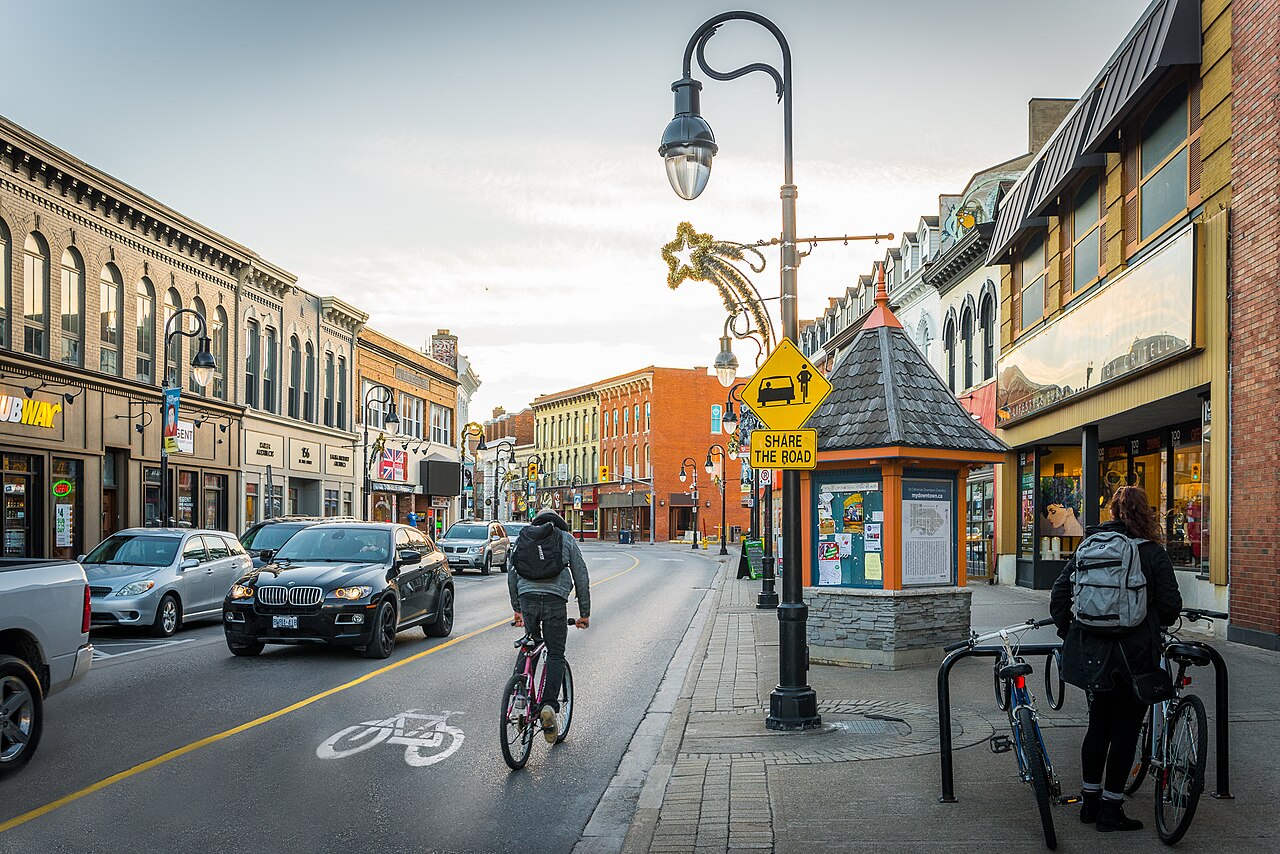
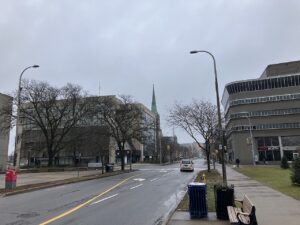
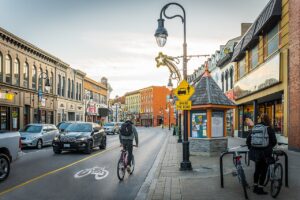
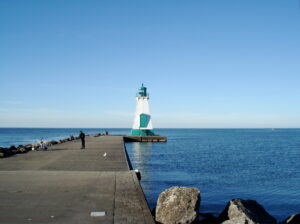
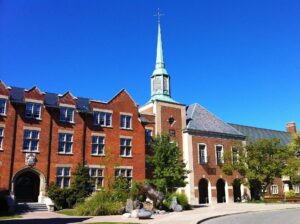
St. Catharines is the largest city in the Niagara Region, with about 137,000 residents, nicknamed "The Garden City" for its extensive parks, gardens, and trails. It sits near Lake Ontario at the northern end of the Welland Canal and is home to Brock University and the historic Royal Canadian Henley Regatta rowing course. The city functions as the commercial and cultural hub of the peninsula.
Known for
- "The Garden City" nickname
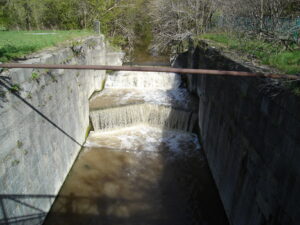
- Northern entrance of the Welland Canal
- Royal Canadian Henley Regatta
- Montebello Park and rose gardens
- Largest city in Niagara Region
- Brock University
Frequently asked questions
Why is St. Catharines called "The Garden City"?
St. Catharines earns its "Garden City" nickname from its extensive parks, gardens, and trails. It is also the largest city in the Niagara Region, with about 137,000 residents, and serves as the peninsula's commercial and cultural hub.
Where is St. Catharines in relation to the Welland Canal and Lake Ontario?
St. Catharines sits near Lake Ontario at the northern entrance of the Welland Canal. The city lies on the Canadian side of the Niagara peninsula, at the canal's Lake Ontario end.
Is there a university in St. Catharines?
Yes, St. Catharines is home to Brock University. The school was founded in 1964 and its permanent campus sits atop the Niagara Escarpment in the south end of the city.
What is the Royal Canadian Henley Regatta in St. Catharines?
The Royal Canadian Henley Regatta is a historic rowing competition held on Martindale Pond in the city's Port Dalhousie area, which has been the regatta's permanent home since 1903. Races are run on the Royal Canadian Henley Rowing Course over the standard 2,000-metre distance.
What can I see at Montebello Park in St. Catharines?
Montebello Park in downtown St. Catharines features a rose garden — the city's largest rose collection, with over 1,300 bushes — alongside a historic band shell. The park was designed in 1887 by Frederick Law Olmsted, the landscape architect behind New York's Central Park.