Niagara Falls is one of the most accessible major natural attractions in Canada, and a great deal of its most dramatic scenery can be reached on flat, paved ground without a single stair. Ontario's accessibility law (the AODA) requires public spaces, transit, and attractions to meet defined standards, and the falls' main operators, Niagara Parks and the WEGO visitor bus, have built much of their infrastructure around barrier-free access, from covered pedestrian overpasses to low-floor buses. That said, the falls sit in a gorge, so a few classic viewpoints do involve elevators, stairs, or staff assistance, and features vary from venue to venue. This guide walks through the accessible ways to experience the falls, how the headline attractions handle mobility, vision, and hearing needs, and the practical logistics of parking, transit, rentals, service animals, and washrooms, so you can plan a comfortable visit. Because accommodations can change and details differ by site, treat this as a starting point and confirm the specifics that matter most to you with each venue before you travel.
Experiencing the Falls Without the Stairs
One of the pleasant surprises of Niagara Falls is how much of the headline view is available on level, paved ground. The promenade that runs through Queen Victoria Park and up to Table Rock hugs the edge of the gorge, and for most of its length it is flat, hard-surfaced, and wide, so wheelchair and scooter users, people pushing strollers, and anyone who tires easily can roll right up to the railing opposite the Horseshoe Falls. Niagara Parks describes its riverside pathways as generally level and paved (with some brick and cobblestone sections) and roughly 1.9 to 3 metres wide. A few connecting paths have grades steep enough to be tiring in a manual chair, but alternate routes and sidewalks usually let you avoid the worst of them. Benches are spaced along the way for rest stops, and the Table Rock Welcome Centre, right beside the brink of the Horseshoe Falls, is a fully accessible building with viewing areas, washrooms, and dining.
Getting into the Table Rock complex itself is barrier-free: designated accessible parking sits at the foot of the ramp to the Bridge of Flowers, a covered, accessible pedestrian overpass that carries you into the centre without crossing traffic. From there you are steps away from the closest legal viewpoint of the Canadian falls.
Getting Around on the WEGO Bus
WEGO is the visitor bus network that links the falls, the parkway attractions, and the hotel districts, and it is built to the Ontario transportation accessibility standard. Every WEGO bus is a low-floor design with a kneeling function that dips the vehicle toward the curb, plus a fold-out ramp, so boarding does not require climbing steps. Each bus can secure one manual wheelchair and one mobility scooter at a time using onboard tie-downs; additional wheelchair users can ride if they are able to transfer to a seat. Buses also have priority (courtesy) seating near the doors, wide aisles, grab bars and handrails, accessible stop-request buttons, and both audio and visual next-stop announcements, which help riders with vision or hearing needs travel independently. Because only one wheelchair and one scooter can be tied down per bus, allow extra time at busy periods in case you need to wait for the next vehicle. Fares apply; see the official WEGO source for current pass pricing.
How the Major Attractions Handle Accessibility
Journey Behind the Falls is partially accessible. An elevator carries visitors down to the tunnels and the upper observation deck, where you feel the thunder of the water and get an open view of the Horseshoe Falls; both areas are reachable without stairs. The lower observation deck, however, is down a flight of stairs (roughly eighteen steps) and cannot be reached by wheelchair or scooter. Niagara Parks applies a 10% discount to regular admission at attractions like this one where full accessibility isn't available, so it is worth asking at the ticket window (note that the discount doesn't stack with already-reduced packages such as the adventure passes). One wheelchair is kept on site for first-come, first-served use.
Niagara City Cruises (the boat that sails to the base of the falls) is designed to be wheelchair accessible from ticket plaza to boat. From the main ticket plaza, a gently sloped, paved accessible ramp leads to a bank of elevators that bring you down to the lower landing and boarding area. Boarding ramps with railings on both sides lead onto the catamarans, which have designated accessible seating and wheelchair-accessible washrooms on the lower deck; additional accessible public washrooms are available at the lower landing building. Guide dogs and service animals are welcome. Staff assist with boarding, which can add time to your visit, and a limited number of wheelchairs are available first-come, first-served, so bringing your own device is recommended if you have one.
Skylon Tower reaches its observation level by glass-enclosed exterior elevators that are wheelchair and stroller accessible. The indoor, glassed-in observation deck can be reached without stairs; note that reaching the open-air outdoor portion of the deck involves a few steps, so wheelchair users should confirm current arrangements with the tower. Discounted admission for wheelchair and scooter users has been offered, but because pricing and layout can change, verify the specifics directly with Skylon before you go.
Accessible Parking
Niagara Parks provides designated accessible parking at its attraction lots, with a valid accessible parking permit required. The number of spaces varies by location; Niagara Parks lists, for example, several spaces each at Journey Behind the Falls, the Niagara Parks Power Station, and the Butterfly Conservatory (which has spaces at both its front and rear entrances), plus a couple of designated spaces at smaller sites such as White Water Walk, the Floral Showhouse, and the heritage sites. Table Rock's accessible spaces sit right at the foot of the Bridge of Flowers ramp for a short, level route indoors. Because the falls area fills up quickly in summer, arriving early gives you the best chance at a designated spot close to the entrance.
Wheelchair and Mobility-Scooter Rentals
If you need wheels for the day, Niagara Parks lends a limited number of manual wheelchairs on a first-come, first-served basis: up to eight at the Table Rock Welcome Centre, plus additional wheelchairs stationed at several individual attractions, including the Niagara Parks Power Station, the Butterfly Conservatory, and the Floral Showhouse. These are meant for use within the parks and cannot be reserved, so they may all be out during peak times. For a guaranteed device, a full-day rental, or a powered wheelchair or mobility scooter, book ahead with a local mobility-rental company, as several Niagara-area providers rent scooters and powered chairs and can often deliver to your hotel. Reserving in advance is the surest way to have the equipment you need waiting for you.
Service Animals
Service animals and guide dogs are welcome throughout Niagara Parks sites in areas open to the public, and Niagara City Cruises likewise permits guide dogs and service animals on its premises. You are responsible for keeping your animal with you and under control at all times. In some cases staff may ask for documentation from a regulated health professional confirming the animal is needed for reasons related to a disability, so it is wise to carry any paperwork you have. If your itinerary includes an experience with heavy mist, loud noise, or moving platforms, it is worth asking staff in advance how best to manage it with your animal.
Accessible Washrooms
Accessible washrooms are available at the main visitor hubs, including the Table Rock Welcome Centre and Queen Victoria Place, and at other Niagara Parks attraction buildings along the parkway. Niagara City Cruises has wheelchair-accessible washrooms on the lower deck of its catamarans as well as at the lower landing building. When you arrive at any venue, it is quickest to ask a staff member to point you to the nearest accessible facility, as locations are usually well signed but not always obvious in a large complex.
Vision and Hearing Considerations
Several experiences include features aimed at vision and hearing needs. For some of its theatre-style film attractions, Niagara Parks provides printed transcripts (in English and French) on request, so if a film isn't captioned you can ask staff for a copy before it begins. Keep in mind that the long-running Niagara's Fury show closed in 2024 and has been replaced at Table Rock by an immersive flying-theatre attraction, Niagara Takes Flight, so it is best to confirm the current captioning and transcript options for whichever shows you plan to see. The Floral Showhouse includes Braille labelling in its Fragrance Garden, a garden designed to be enjoyed by touch and scent. On the WEGO buses, the combination of audio and visual next-stop announcements helps riders who are blind or low-vision and those who are deaf or hard of hearing. If you use a hearing aid or need visual cues, ask each venue whether captioning, transcripts, assistive listening, or a quieter viewing time can be arranged.
Plan-Ahead Tips and Checklist
- Aim for the level, paved promenade through Queen Victoria Park to Table Rock for the easiest close-up view of the Horseshoe Falls.
- Bring a valid accessible parking permit and arrive early, especially in summer, to get a designated space near your entrance.
- Reserve a powered wheelchair or mobility scooter in advance if you need one; Niagara Parks' loaner wheelchairs are free but limited and first-come, first-served.
- At attractions that are only partially accessible (such as Journey Behind the Falls), ask about the 10% reduced admission for visitors who can't reach every viewing area.
- Budget extra time for boat boarding at Niagara City Cruises, where staff assistance and elevators are part of the accessible route.
- Carry a light rain poncho or extra layer; mist zones near the falls and on the boat can leave paths and equipment wet.
- If you travel with a service animal, keep any supporting documentation handy and check ahead about mist, noise, and moving platforms.
- Request captioning, transcripts, or assistive options ahead of time for shows and films rather than at the door.
- Ask staff at each venue to point you to the nearest accessible washroom and elevator when you arrive.
- Confirm current elevator status, seasonal hours, and any temporary closures before you set out, as maintenance can change what's available on a given day.
Confirm Before You Go
Accessibility features, discounts, loaner-equipment availability, and step-free routes can change with renovations, seasonal operations, and day-to-day maintenance. The details above reflect what the operators publish, but the safest plan is always to call or email each venue you intend to visit and describe your specific needs before your trip. A quick conversation ahead of time lets staff arrange assistance, reserve accessible seating, confirm elevator and washroom availability, and flag anything temporarily out of service, so your day at the falls goes smoothly.
Accessible places to visit
 spa100 Fountain Spa at Pillar and Post
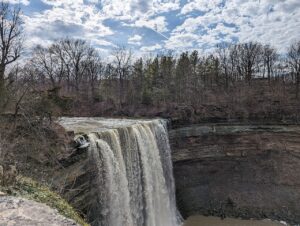 conservation-areaBall’s Falls Conservation Area
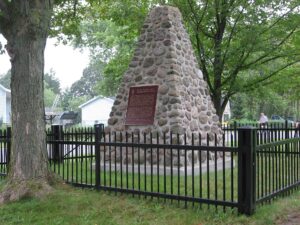 Historic SiteBattle of Cook’s Mills Battlefield & Memorial Peace Garden
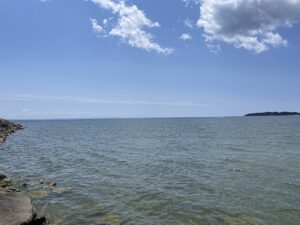 beachBay Beach (Crystal Beach)
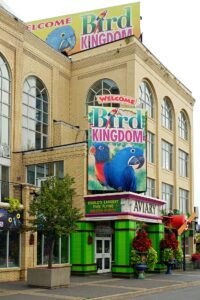 AttractionBird Kingdom
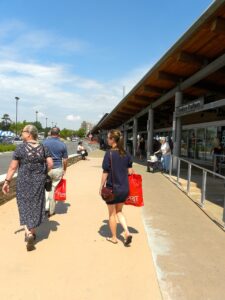 shoppingCanada One Outlets
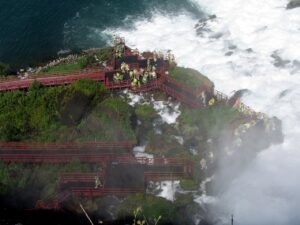 AttractionCave of the Winds
 Historic SiteChippawa Battlefield
 conservation-areaChippawa Creek Conservation Area
 AttractionClifton Hill
 AttractionFallsview Casino Resort
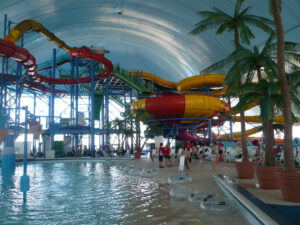 AttractionFallsview Indoor Waterpark
 theatreFirstOntario Performing Arts Centre
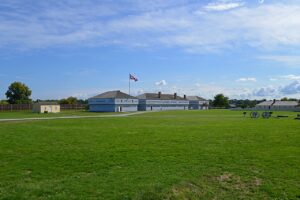 Historic SiteFort George National Historic Site
 trailFriendship Trail
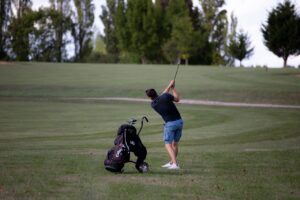 golfGrand Niagara Golf Club
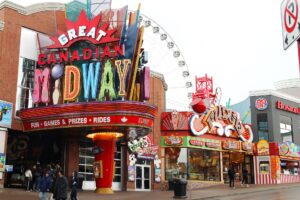 AttractionGreat Canadian Midway
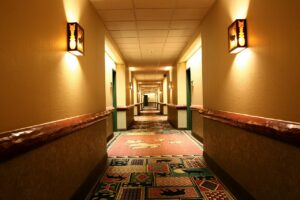 AttractionGreat Wolf Lodge Niagara Falls
Sources: www.niagaraparks.com · www.niagaraparks.com · www.niagaraparks.com · www.cityexperiences.com · www.niagarafallstourism.com. Last reviewed 2026-07-18.