
The Role of Niagara Falls in Film and Television
Introduction
Niagara Falls straddles the border between Ontario and New York State, and its scale and sound have drawn filmmakers since the earliest days of cinema. This post traces the role of Niagara Falls in film and television, from the first flickering shorts shot at the brink to Hollywood thrillers, romances and documentaries that have used the falls as both a setting and a symbol.
Early Films at Niagara Falls
Filmmakers recognized the potential of Niagara Falls almost as soon as motion-picture cameras existed. Among the earliest surviving footage is a series of short “actualities” filmed by the Edison Manufacturing Company in 1896, capturing views such as the Horseshoe Falls from Table Rock on the Canadian side and the rapids at the Cave of the Winds. These single-shot films recorded the raw movement of the water and helped establish the falls as a subject worth travelling to film.
Thrillers and Action Films
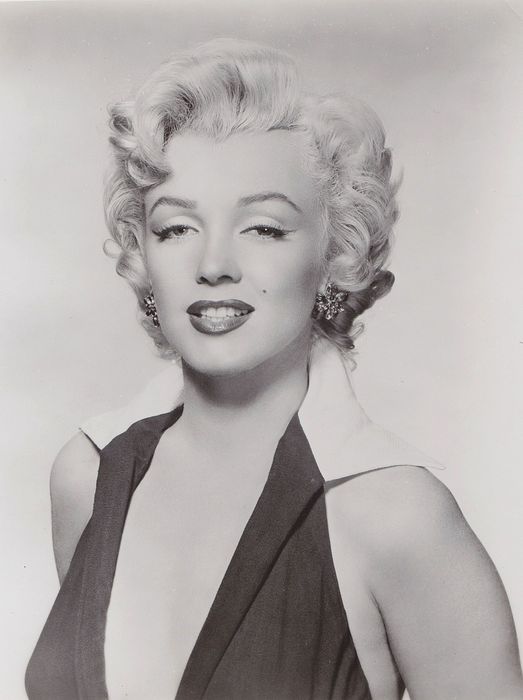
The landscape around the falls has long suited thrillers and action films, with the thundering water and steep gorge lending tension to chase and rescue scenes. The best-known example is the 1953 film “Niagara,” starring Marilyn Monroe, in which the falls figure directly in the plot’s deadly climax. Decades later, “Superman II” (1980) staged one of its signature sequences at Niagara Falls, filming on the Canadian side near Horseshoe Falls and the White Water Walk, where Superman rescues a boy who tumbles toward the brink.
Romance and Drama
Niagara Falls has also served as a backdrop for romance and drama, its setting adding weight to stories of love and reinvention. “Niagara” pairs its suspense with a tale of love and betrayal, while “Superman II” uses the same location for the deepening relationship between Clark Kent and Lois Lane. The 2003 comedy “Bruce Almighty,” starring Jim Carrey as a Buffalo television reporter, builds a memorable on-air meltdown around the Maid of the Mist and the falls, though those shots were created with green-screen work rather than filmed on location.
Niagara Falls as a Symbol
Beyond serving as scenery, Niagara Falls often works as a symbol on screen. Films and television shows have used it to stand for natural power, the passage of time, and human vulnerability set against an overwhelming landscape, turning a real place into visual shorthand for forces larger than the characters themselves.
Documentaries and Travel Shows
Niagara Falls is also a frequent subject of documentaries and travel programs, which explore its geology, ecology and history rather than using it as a backdrop. These productions cover how the falls formed, the daredevils who tried to go over them in barrels, and attractions such as Journey Behind the Falls that let visitors see the cataract up close. The result is a fuller picture of the falls and their ongoing influence on the region.
The Economic Impact of Filming at Niagara Falls
Film and television production also feeds the local economy. Shoots create work for crews and suppliers, and screen appearances draw visitors who want to see the landscapes for themselves, supporting nearby hotels, restaurants and attractions. Productions filming on location add further spending that flows to surrounding communities on both sides of the border.
Conclusion
From Edison’s 1896 shorts to Marilyn Monroe’s “Niagara” and the rescue scenes of “Superman II,” Niagara Falls has served filmmakers as setting, spectacle and symbol for well over a century. That long screen history is one more reason the falls continue to draw travellers who want to stand where the cameras once rolled.