
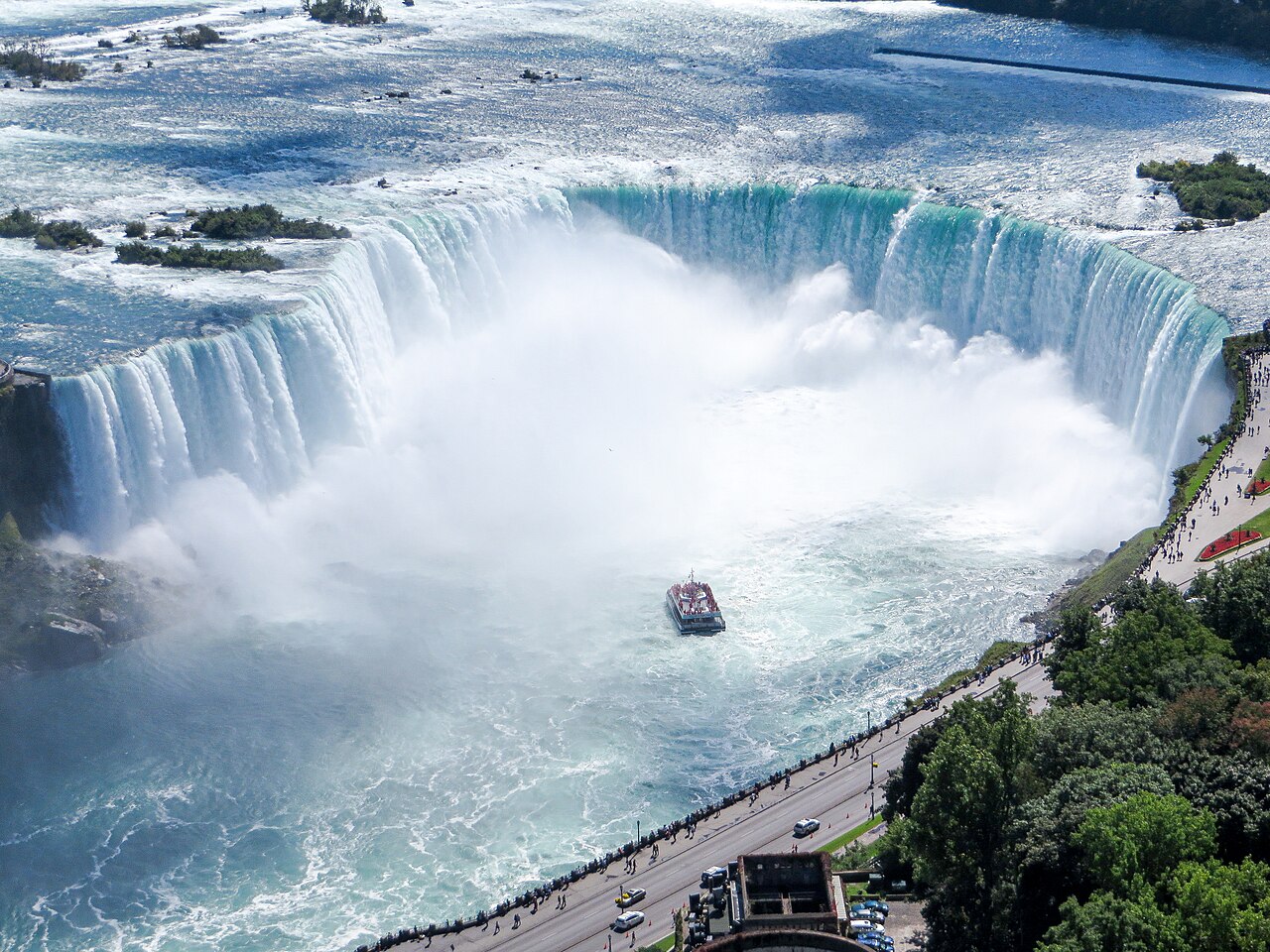
The short answer: the best all-round time to visit Niagara Falls is late June through early September, when the weather is warmest, every attraction is open and the boat tours run at full schedule. But “best” depends on what you want. For fewer crowds and cheaper hotels, come in January to March. For a value shoulder season with good weather, thinner crowds and the boats still running, aim for late April to May or September to October. This month-by-month guide breaks down the weather, crowd levels, what is open versus closed, seasonal events and hotel-price patterns so you can pick the right window for your trip.
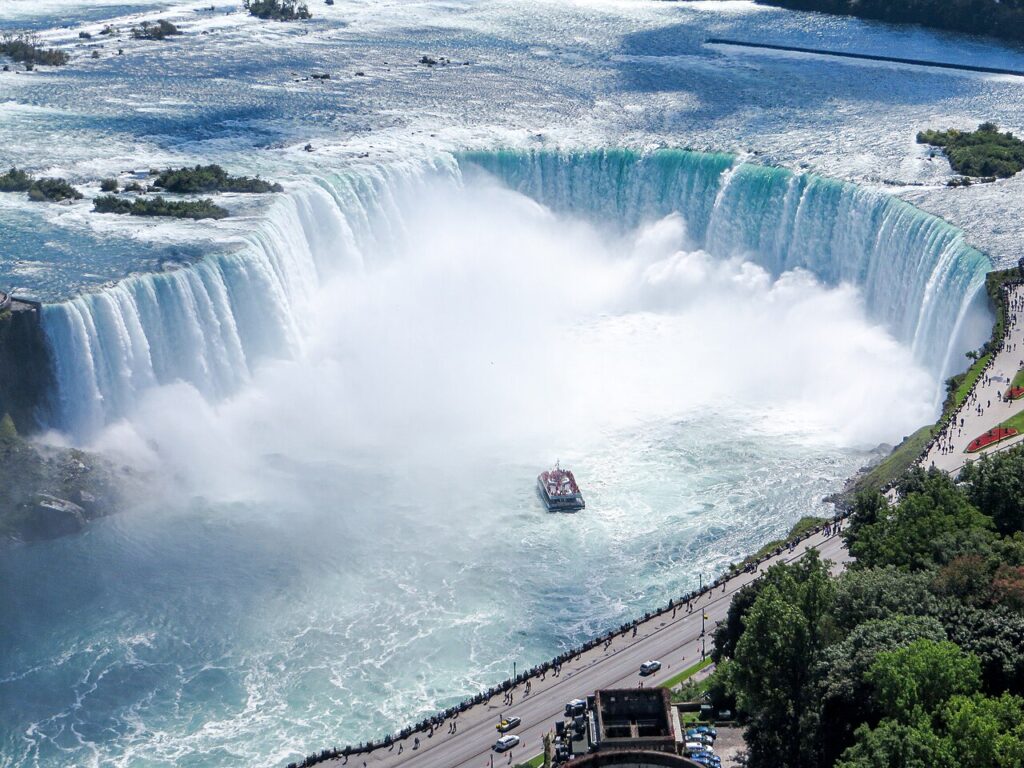
Best time to visit Niagara Falls, at a glance
Use this table as a quick planner. Detailed month-by-month notes follow below. All temperatures are averages, not guarantees, and are drawn from long-run climate figures for Niagara Falls, Ontario (via WeatherSpark) — treat them as typical, not forecasts.
| If you want… | Go in… | Why |
|---|---|---|
| Best overall weather + everything open | Late June – early September | Warmest days, boats and all attractions running, nightly fireworks |
| Fewest crowds + lowest prices | January – March | Deep winter; cheapest hotels, quiet viewing platforms |
| Best value shoulder | Late April – May, or September – October | Mild weather, thinner crowds, boats still running |
| Fall colours & photography | First two weeks of October | Peak foliage along the Niagara Parkway and Glen |
| Frozen, icy scenery | January – February | Ice formations and frozen mist (the falls never fully freeze) |
| Families | July – August | Everything open, warm, nightly fireworks — but busiest and priciest |
| Honeymoon / romance | September – October, or the Winter Festival of Lights | Mild colourful autumn, or a cosy illuminated winter trip |
The single biggest question: are the boat tours running?
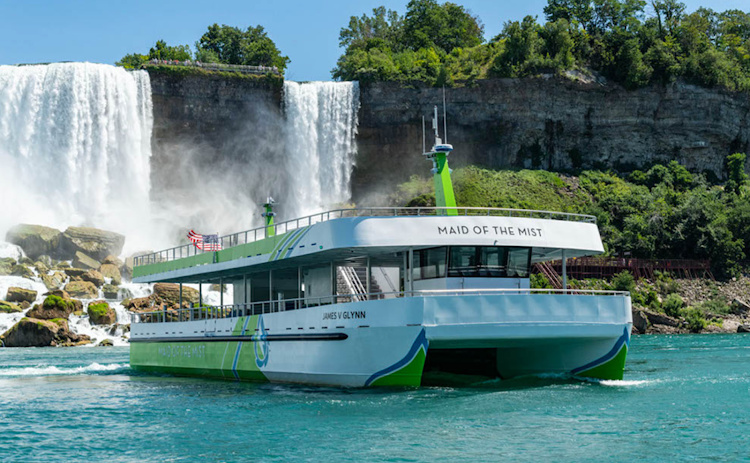
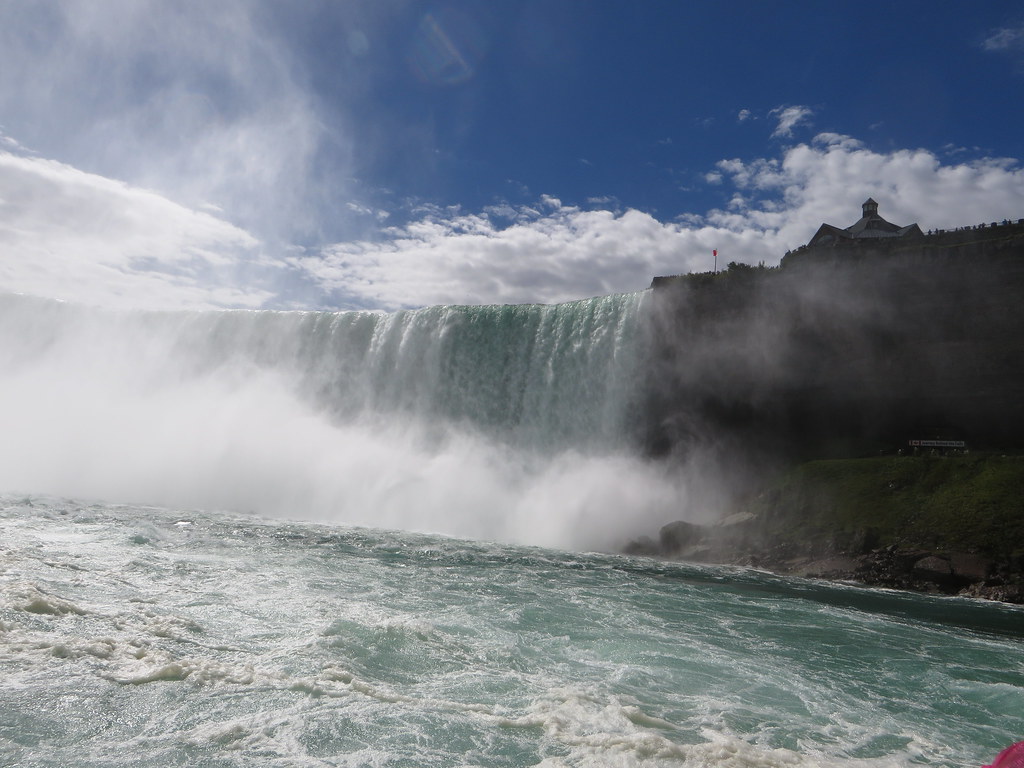
The famous boat ride into the base of the Horseshoe Falls is the one attraction that is strictly seasonal, so it drives a lot of trip planning. There are two operators, one on each side of the border, offering the same soaked, roaring, up-close experience:
- Maid of the Mist (United States side) — the 2026 season runs 24 April to 8 November 2026, confirmed by the operator. Tickets are priced in US dollars.
- Niagara City Cruises (Canadian side, formerly Hornblower) — runs roughly late April/early May to mid-November. Exact 2026 dates have been reported inconsistently across sources, so confirm the current schedule on the operator’s official site before you rely on it. Tickets are priced in Canadian dollars.
The key takeaway: the boats do not run in winter (roughly December through March). If riding into the mist is the centrepiece of your trip, plan for May to October. If you visit in the cold months, the year-round Journey Behind the Falls — tunnels and a viewing platform beside the plunging water — is the closest cold-season equivalent.
Niagara Falls season by season
Summer (June, July, August): warmest, busiest, most alive
Summer is peak season, and for good reason. July is the warmest month, with average highs around 27 °C and lows near 18 °C; August is a touch milder (highs around 26 °C) and tends to have the clearest skies of the year. June eases in with highs near 24 °C. July is also the most humid, muggy stretch, and afternoon thunderstorms are common — precipitation in Niagara is spread fairly evenly across the year rather than concentrated in one “rainy season.”
What’s open: everything. Both boat operators run full schedules, seasonal attractions like the White Water Walk and Whirlpool Aero Car are operating, and the nightly summer fireworks light up the falls. Crowds: the highest of the year, driven by school holidays. Expect the biggest crush on weekends and around Victoria Day, Canada Day (1 July), U.S. Independence Day (4 July) and Labour Day. Hotels: the most expensive of the year, with July typically the priciest month; weekends and fireworks nights carry a premium over weekdays.
Best summer strategy: visit in late June or the first week of September to catch warm weather and full operations while dodging the very worst of the mid-summer crowds. Book accommodation well ahead, and see the falls early morning or after dark to beat the daytime peak.
Autumn (September, October, November): colour, mild days, thinning crowds
Autumn is arguably the connoisseur’s season. September stays pleasantly mild (highs around 22 °C), October cools to around 15 °C by day and 7 °C at night, and November turns properly brisk (highs near 8 °C). Early autumn is the wettest stretch of the year on average, so pack a layer and a light rain jacket.
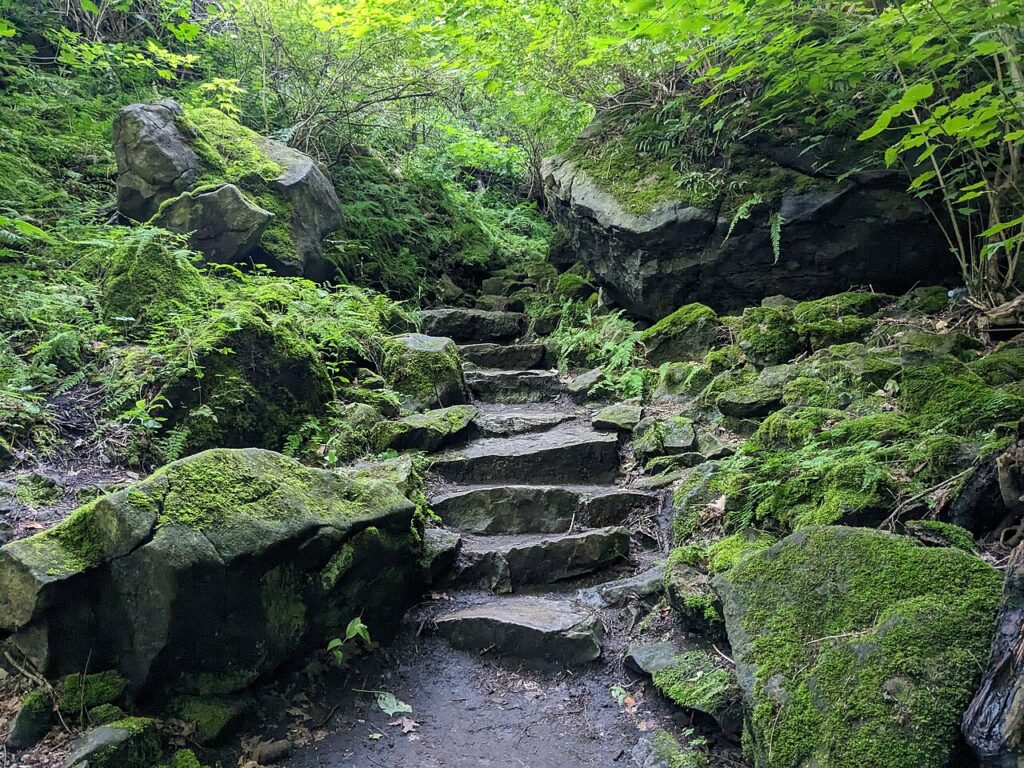
Fall colours are a genuine draw. Peak foliage typically lands mid-to-late October; aim for the first two weeks of October for the most reliable colour, bearing in mind the lake microclimate can push peak slightly later some years. The Niagara Parkway — long called one of the prettiest drives in the region — the Niagara Glen and Niagara-on-the-Lake are the prime spots. Check the Ontario Parks Fall Colour Report for live timing before you commit to a date.
What’s open: the boats run through early-to-mid November, and most seasonal attractions stay open into autumn before winding down. Crowds: moderate and pleasant in September and October, with the quietest lull arriving in early-to-mid November before the Winter Festival of Lights reboots weekend traffic. Hotels: prices ease from their summer peak, making autumn a strong value window — especially midweek. For a honeymoon or romantic escape, mild, colourful, less-crowded early autumn with the boats still running is hard to beat.
Winter (December, January, February): quiet, cheap and cinematic
Winter is cold — January and February are the coldest months, with average highs hovering around 0 °C and lows near -7 °C — and it is the snowiest, cloudiest stretch of the year (January is overcast roughly two-thirds of the time). But it is also spectacular and remarkably peaceful. Frozen mist coats the railings and trees, and dramatic ice formations build up around the gorge. Important: despite the viral photos, the falls do not completely freeze over — the water keeps flowing. What you get are icy edges, frozen spray and a hushed, monochrome landscape.
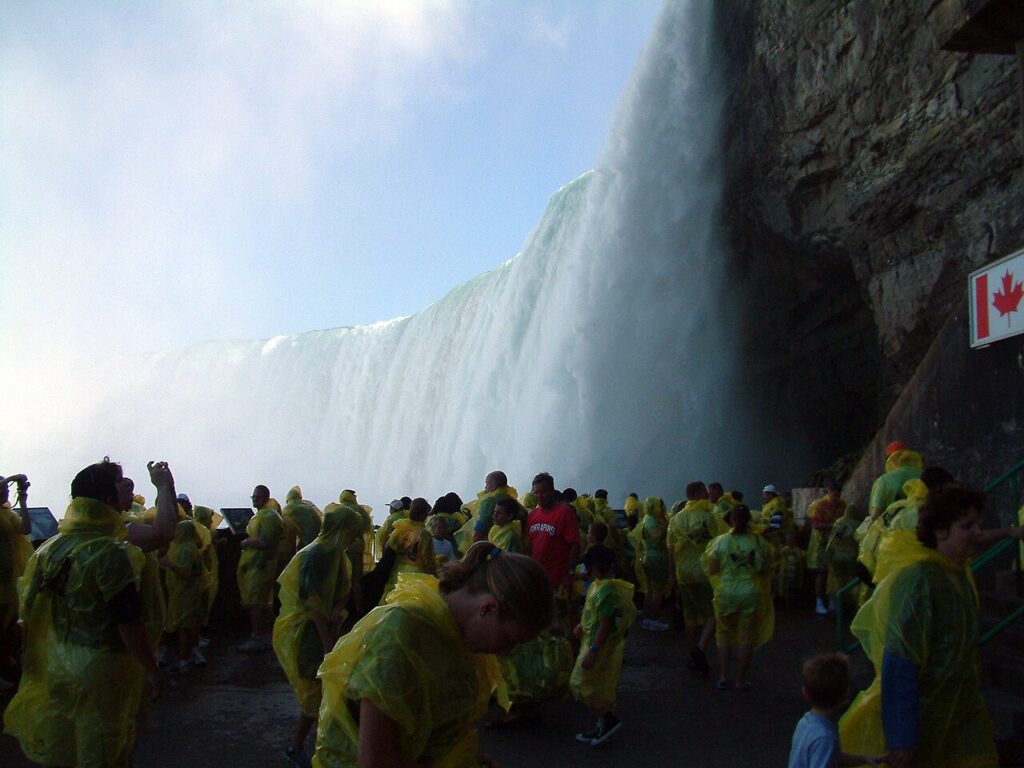
What’s open: the boat tours are closed. But several attractions run year-round: Journey Behind the Falls (with reduced winter hours), the nightly falls illumination in colour, and the falls themselves. The Butterfly Conservatory is generally open year-round, though at least one source notes reduced or paused winter operation — so check current hours before you go if it’s a priority. Crowds: the lowest of the year in January to March — you can have viewing platforms almost to yourself. Hotels: the cheapest of the year, with January and February the bottom of the market. If your goal is fewest crowds and lowest prices, this is your season.
Two winter events are worth planning around. The Winter Festival of Lights runs 14 November 2026 to 10 January 2027 — Canada’s largest free outdoor light festival, an roughly 8 km route of illuminated displays through Queen Victoria Park, with select-date fireworks and light shows, free to walk. And the Niagara Icewine Festival, held over several January weekends in nearby Niagara-on-the-Lake and wine country (about 20–30 minutes away), turns the region’s signature dessert wine into a cold-weather celebration.
Spring (March, April, May): the reawakening
Spring is a season of transition. March is still cold and wintry (highs around 5 °C); April warms noticeably (highs near 13 °C); and May is genuinely pleasant, with highs around 19 °C and gardens coming into bloom. It’s the shoulder where the region wakes back up: the boats relaunch in late April, seasonal attractions reopen, and the nightly fireworks series returns in mid-May.
Crowds: low in March, building through April and into May, but still well short of summer levels. Hotels: climbing from their winter lows but still reasonable, especially early in the season and midweek. Best spring strategy: late April into May is one of the best value windows of the entire year — you get warming weather, blooming gardens, the boats back in the water and thinner crowds than you’ll ever see in July.
Fireworks, illumination and year-round viewing
The falls are illuminated in colour every night of the year from dusk — a free spectacle visible from both sides of the border, though the Canadian side offers the panoramic Horseshoe Falls angle. The summer fireworks series runs, in 2026, from 15 May to 12 October, with short displays nightly at 10 p.m. (weather permitting) and extended shows on 1 July and 4 July. Fireworks are weather-dependent, so check on the day if you’re timing a visit around them.
Because the falls, the illumination and the viewing platforms are free and open 24/7, there is genuinely no “closed” time to see Niagara Falls — only differences in what supporting attractions are running and how many other people are there with you.
Both sides of the border
Niagara Falls straddles Canada and the United States, and each side has its own version of the headline experiences. The boat ride is Maid of the Mist (U.S., priced in USD) or Niagara City Cruises (Canada, priced in CAD) — same basin, different flag. The illumination and both fireworks programs are viewable from either side. Ticket prices for the boats and attractions change year to year and are quoted in different currencies, so always confirm the current price and currency (CAD or USD) on the operator’s own site before budgeting.
Crossing the border is a trip-planning factor in its own right. Entry requirements — passports and any travel-authorisation rules — can change, and were outside the scope of this guide, so verify the current rules with official Canadian (CBSA) and U.S. (CBP) sources before you travel, and note the date you checked.
Hotel prices: the seasonal pattern
Accommodation costs follow the crowds in a predictable arc. Prices climb from spring, peak in mid-summer (July is typically the dearest), ease through autumn and bottom out in January to March. Weekends and fireworks nights cost more than weekdays, and the Winter Festival of Lights nudges some November and December weekend rates up. We’re deliberately not quoting specific nightly figures — the widely cited numbers come from booking aggregators, mix Canadian- and U.S.-side properties, and blend currencies — so treat the pattern as reliable and check live rates in your chosen currency for real numbers. As a rule of thumb: for the cheapest stay, book a winter weekday; for the best weather-to-price balance, book a shoulder-season weekday in May or late September.
A note on dates and prices — confirm before you go
Last reviewed July 2026. Seasonal dates, ticket prices and opening hours are the volatile facts in any Niagara guide, and they shift from year to year. The confirmed anchors for 2026 are: Maid of the Mist, 24 April – 8 November 2026; summer fireworks, 15 May – 12 October 2026; and the Winter Festival of Lights, 14 November 2026 – 10 January 2027. The exact 2026 Niagara City Cruises season dates, per-attraction winter hours (including the Butterfly Conservatory and seasonal parks attractions like the White Water Walk and Whirlpool Aero Car), and all ticket prices should be confirmed on the official operator and Niagara Parks websites before you rely on them. Climate figures here are long-run averages, not forecasts — check the weather close to your dates.
Frequently asked questions
What is the best time of year to visit Niagara Falls?
For the best overall experience — warmest weather, every attraction open and the boat tours running at full schedule — visit between late June and early September. If you'd rather avoid crowds and save money, come in January to March. For a balance of good weather, thinner crowds and boats still running, late April to May or September to October are the best value windows.
When do the Niagara Falls boat tours run?
The boat tours are seasonal and do not run in winter. Maid of the Mist (U.S. side) runs 24 April to 8 November 2026. Niagara City Cruises (Canadian side) runs roughly late April/early May to mid-November, but exact 2026 dates have been reported inconsistently, so confirm on the operator's official site. Plan for May to October if the boat ride is essential to your trip.
Do the falls ever freeze completely?
No. Despite dramatic photos, Niagara Falls does not fully freeze over — the water keeps flowing all winter. What you can see in January and February are ice formations, frozen mist and icy build-up around the gorge, which make for striking winter scenery. The best time for this icy look is deep winter, January to February.
What is open at Niagara Falls in winter?
The falls themselves and the nightly colour illumination are viewable year-round and free. Journey Behind the Falls operates year-round with reduced winter hours, and the Butterfly Conservatory is generally open year-round (check current hours to be sure). The boat tours are closed in winter. The Winter Festival of Lights runs 14 November 2026 to 10 January 2027.
When is the cheapest time to visit Niagara Falls?
January to March is the cheapest time, with hotel rates bottoming out in January and February. Prices climb through spring, peak in mid-summer (July is typically the most expensive month), then ease through autumn. For the lowest rates, book a winter weekday; weekends and fireworks nights always cost more.
When are the fall colours best at Niagara Falls?
Peak foliage typically arrives mid-to-late October, but the first two weeks of October are the most reliable window. The Niagara Parkway, Niagara Glen and Niagara-on-the-Lake are prime viewing spots. The lake microclimate can delay colour slightly some years, so check the Ontario Parks Fall Colour Report before setting your dates.
When are the Niagara Falls fireworks in 2026?
The 2026 summer fireworks series runs from 15 May to 12 October, with short displays nightly at 10 p.m. (weather permitting) and extended shows on 1 July and 4 July. The falls are also illuminated in colour every night of the year from dusk, free to view from both sides of the border.
Whichever month you choose, our complete guide to things to do in Niagara Falls sets out what is open in each season, and which attractions close over winter.