
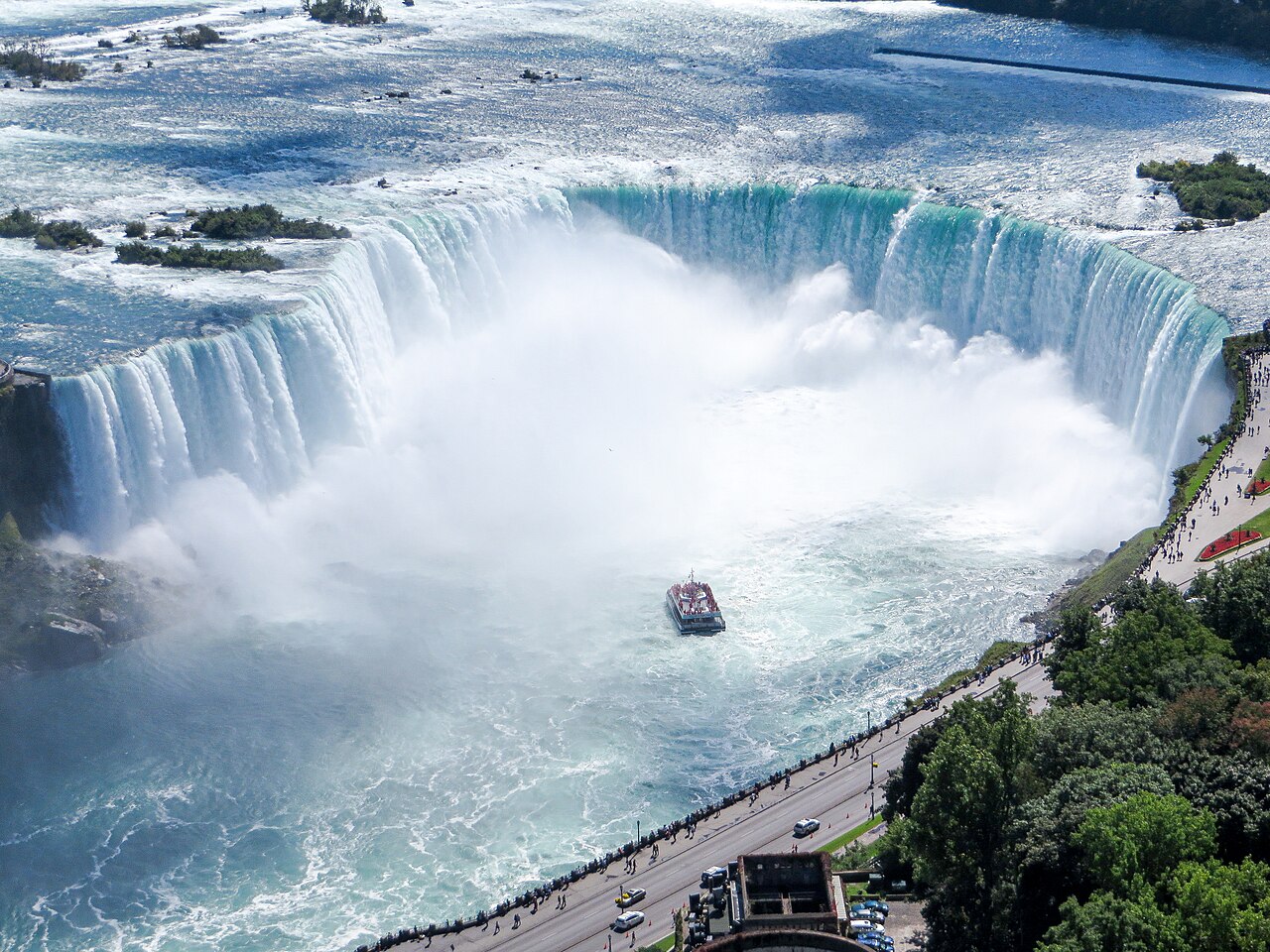
For a first visit focused on outdoor sightseeing and boat tours, start by comparing dates from late May through September. Choose summer for a warm-weather trip, or compare late spring and September if your schedule is flexible. October is worth considering for autumn scenery, while winter suits visitors who want illuminated falls, indoor attractions and possible ice formations. The best time to visit Niagara Falls depends on which experiences matter most to you.
Use the month-by-month guide below to shortlist a season, then check your must-do attractions before booking. Niagara is a year-round destination, but operating dates, individual viewing areas, boat schedules and event programmes differ. A quieter or colder month is not automatically cheaper, and a summer visit does not guarantee that every attraction is open.
Seasonal details and official calendars checked October 7, 2026. Dates labelled 2026 or 2026–27 apply to that edition only; they are not a forecast of later years.
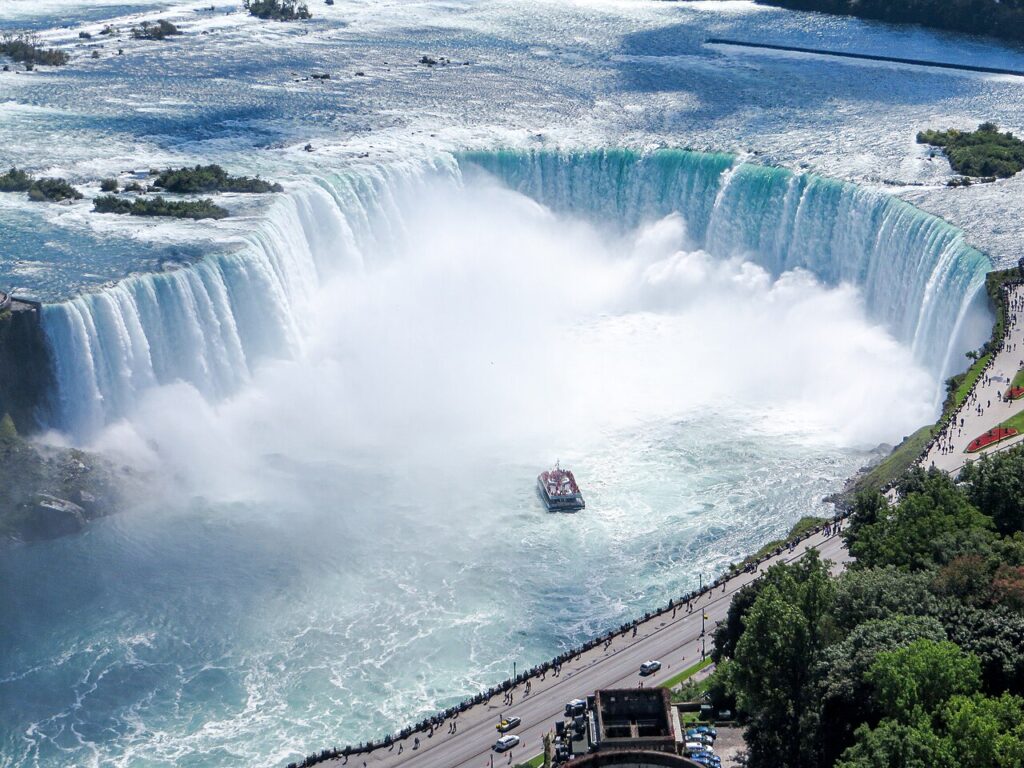
Best time to visit Niagara Falls, at a glance
These are planning recommendations based on seasonal conditions and published operating information, rather than guarantees about weather, prices or queues. Scroll the comparisons sideways on a phone.
| Your priority | A useful starting window | Check before booking |
|---|---|---|
| A first visit with outdoor attractions | Late May–September | Your boat operator and each attraction’s calendar |
| Warm-weather family trip | June–August | School-holiday demand, room occupancy and a rainy-day alternative |
| Flexible dates outside midsummer | May or September | Holiday weekends, opening hours and actual hotel quotes |
| Autumn colour and photography | October | Current local foliage reports; no fixed peak week is guaranteed |
| Ice formations and winter scenery | January–February | Recent conditions, forecast and which paths are open |
| Winter lights | The announced festival dates | The correct year’s display map and separate fireworks programme |
| A lower hotel total | Compare flexible weekdays and several seasons | Fees, parking, events and whether your main attraction is operating |
Niagara Falls month by month
The weather notes are broad seasonal expectations, not forecasts for your trip. Niagara Falls Tourism’s climate overview describes cold winters, a warming spring, summer average highs around 26°C (79°F), and cooling autumn conditions. Pack for the actual forecast and for mist at the falls.
| Month | Trip ideas and conditions | The booking check |
|---|---|---|
| January | Winter scenery, indoor visits and Icewine events | Use the current festival dates; allow for cold, ice and holiday closures |
| February | A short winter break with dining or spa time | Check paths and attraction hours; ice formations depend on the weather |
| March | A flexible mix of indoor stops and falls viewing | Do not assume boat tours have resumed; check school-break dates |
| April | Spring sightseeing as seasonal services return | Verify actual opening days; late-April operation is not guaranteed every year |
| May | Outdoor attractions and a spring visit | Check boat calendars and Canadian/U.S. holiday weekends |
| June | A warm-weather trip with room for walking and evening plans | Compare early and late June; confirm your chosen attraction times |
| July | A summer family visit or a full sightseeing itinerary | Book priorities ahead and allow for queues, especially around holidays |
| August | Summer sightseeing, with indoor breaks if needed | Leave time between timed activities; check the end-of-month schedule |
| September | An early-autumn trip combining the falls and nearby towns | Check changes after Labour Day rather than assuming summer hours continue |
| October | Autumn scenery with cooler outdoor visits | Check foliage, reduced hours, maintenance and seasonal closing dates |
| November | A transition from autumn attractions to winter lights | Separate boat closing dates from the festival opening date |
| December | Light displays, dining and indoor attractions | Check holiday opening hours; Canadian December sailing is weather-dependent |
When do Niagara Falls boat tours run?
The two operators have separate calendars. Choose the departure country that fits your trip; neither boat is a service for crossing the border.
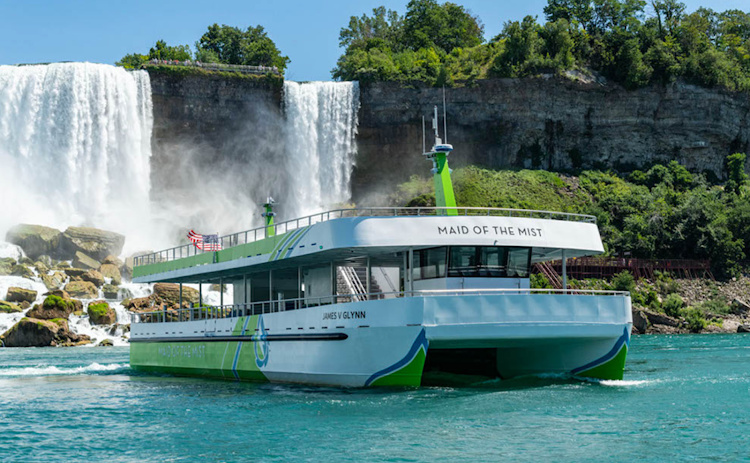
- Maid of the Mist, New York: the 2026 schedule runs April 24–November 8, subject to change. Hours shorten during autumn. Use the timetable for your actual day rather than summer departure times.
- Niagara City Cruises, Ontario: check dates in the Voyage to the Falls booking calendar. The operator explicitly makes December sailing weather-dependent. Do not assume its last day matches Maid of the Mist or that a December sailing is assured.
If a boat ride is essential, settle the operator and date before paying for a non-refundable hotel. For a future spring, wait for that year’s opening announcement. Our boat-tour comparison covers boarding locations, ticket arrangements and the differences between the trips.
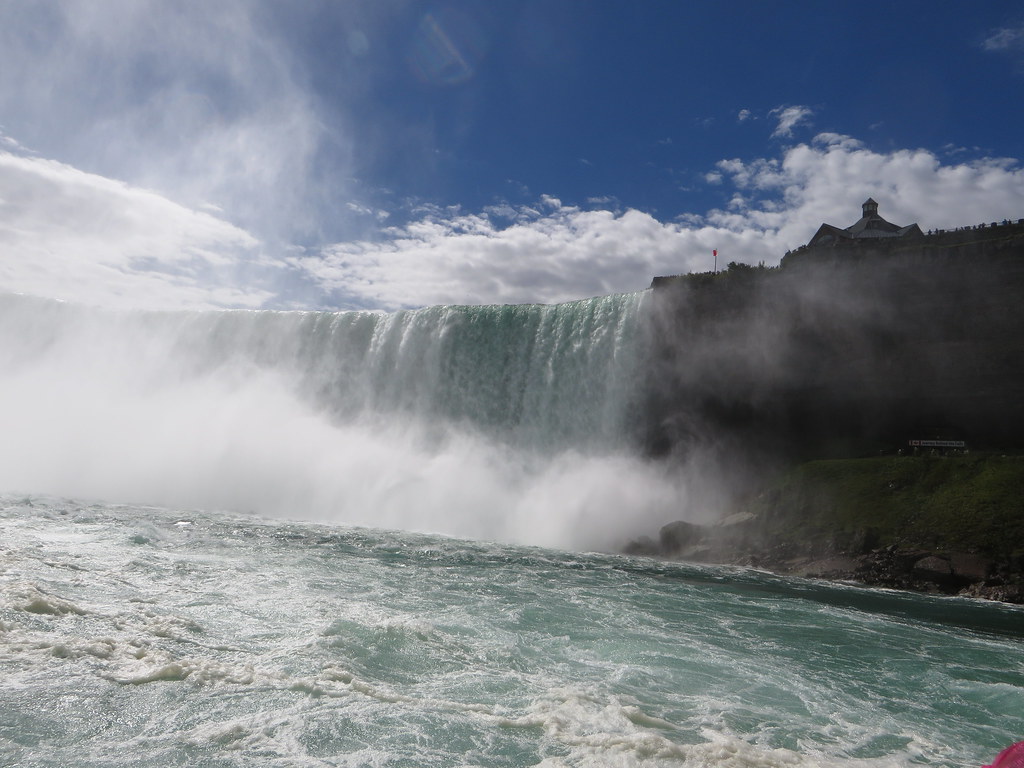
Niagara Falls season by season
Spring: March, April and May
For March and early April, build a plan that works even if the boats or seasonal outdoor attractions have not opened. By later spring, check the published calendars for the experiences you want instead of relying on the previous year’s start date. A spring itinerary can combine falls viewing, indoor stops and time outdoors as conditions allow.
For a short trip, put the least flexible booking first. Then leave room for weather changes and the journey between attractions. The Niagara Parks hours page is the place to check Ontario attractions for your dates; individual U.S. attractions publish their own calendars. Spring maintenance can affect an attraction even when the destination is fully open to visitors.
Summer: June, July and August
Summer is a practical starting point for a visit centred on outdoor sightseeing. Allow more time at popular attractions: Niagara City Cruises identifies mid-June through Labour Day and holiday weekends as peak periods, with potential queues even for a booked entry window. Avoid placing two timed reservations so close together that one queue puts the next booking at risk.
For families, plan one main outdoor activity, a meal break and an indoor alternative. Check the family hotel guide for room occupancy and waterpark inclusions. Returning after dinner can give you a different view of the falls, but the illumination schedule and a fireworks display are separate things to check.
Autumn: September, October and November
September is worth comparing when you want an outdoor trip outside midsummer. October adds the possibility of autumn colour, and November needs particular attention to attraction closing dates. Bring layers and leave space in the plan for a change of weather rather than assuming a warm afternoon means a warm evening.
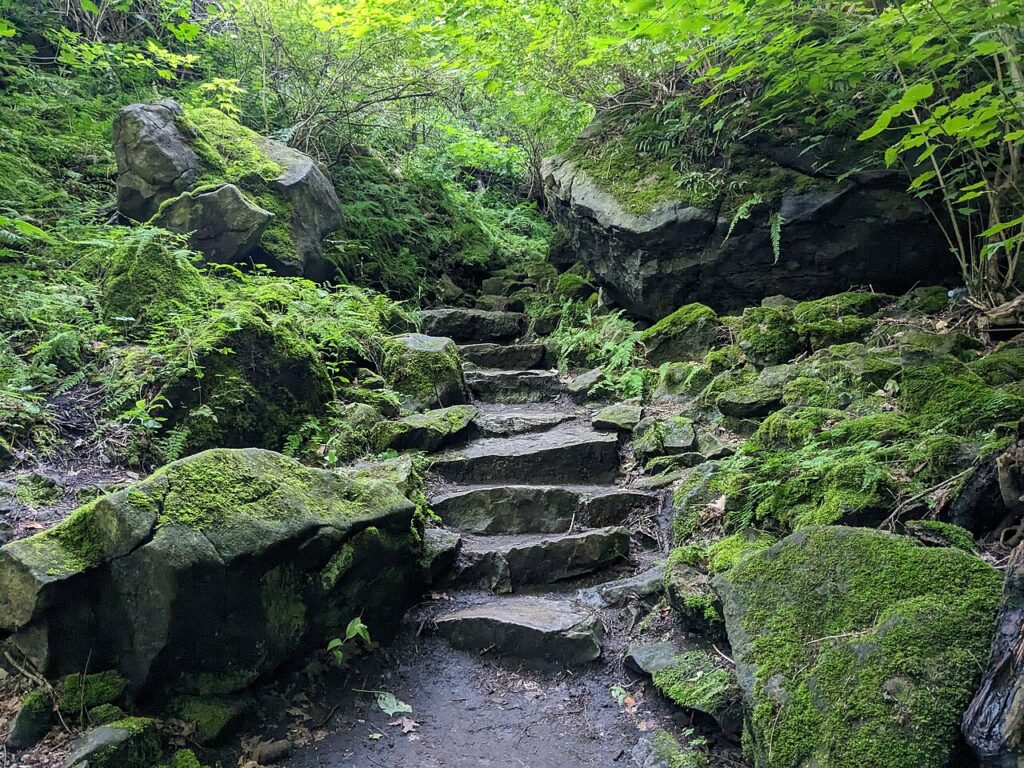
There is no reliable fixed week for peak colour throughout Niagara. Start with current Ontario autumn information; for New York, check the Greater Niagara entries in I LOVE NY’s foliage report. Select a viewing route appropriate to your group. A woodland gorge walk and a paved waterfront viewpoint are different outings, especially when leaves or rain make footing more difficult.
Winter: December, January and February
Winter can work well for a trip built around shorter outdoor visits, a meal and indoor attractions. Snow and frozen spray may change the scenery, but no booking can guarantee the dramatic ice in a particular photograph. Niagara Parks explains that the apparently frozen falls can have water flowing beneath their surface ice.
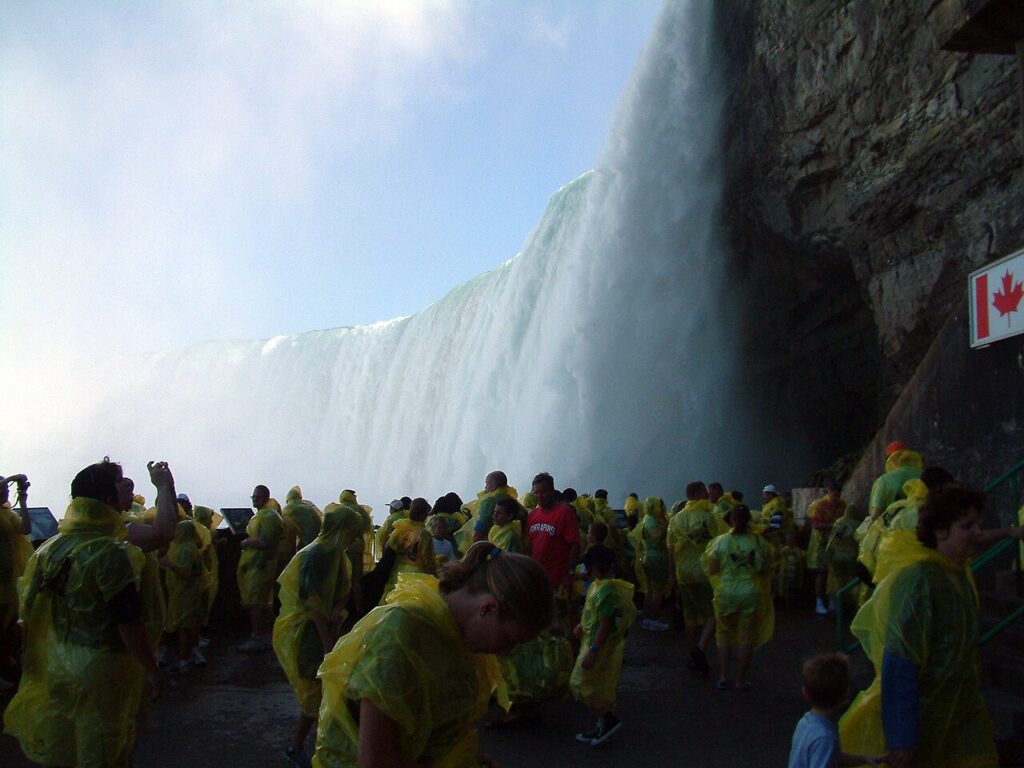
Journey Behind the Falls is listed as a year-round Ontario attraction. Confirm the hours and which outdoor areas are accessible in the conditions; a year-round listing does not promise an identical experience every month. The Butterfly Conservatory is another indoor option with daily general admission listed, subject to its operating calendar and notices.
On the U.S. side, use Niagara Falls State Park as the starting point for your route, and check the winter version of each attraction. Cave of the Winds publishes winter operating dates, but that does not establish that all of its seasonal decks are available. Wear footwear suited to the conditions and stay on open visitor routes.
Confirmed dates to check for 2026 and winter 2026–27
These dates are a snapshot for this edition of the guide. Check the linked organiser pages before travelling, particularly if one event is the reason for your trip.
- Summer fireworks: Niagara Falls Tourism’s 2026 programme announces May 15–October 12 at 10 p.m. nightly. Check current fireworks information for weather changes and separate winter dates. The summer programme does not establish a nightly winter schedule.
- Cave of the Winds maintenance: the official calendar lists October 19–20, 2026 as closed. It also lists closures for Thanksgiving, Christmas Day and New Year’s Day; check your holiday date specifically.
- Winter Festival of Lights: the organiser confirms November 14, 2026–January 10, 2027. The outdoor light festival is free to visit, while parking, accommodation and other experiences have their own costs. Check the current map and programme as they are released.
- Niagara Icewine Festival: the organiser announces January 8–30, 2027 for the festival series. Individual tastings, the village and special events have their own dates and tickets; that overall window does not mean every activity runs every day.
For other local plans, browse our Niagara events calendar or the Icewine Festival guide. Keep the year visible when comparing information, and do not reuse a 2026 boat or fireworks schedule for summer 2027.
Fireworks, illumination and the best time of day
The falls’ coloured nightly illumination has a seasonal timetable. It is different from the short fireworks shows and from the Winter Festival of Lights displays around the city. Look up the start time for the month you visit rather than assuming the lights begin at the same hour throughout the year.
For photography, consider a daytime visit and an evening return if your schedule allows. For an attraction, use its opening time, last admission and any reservation requirements. A public view of the falls does not mean every deck, lift, trail or attraction is open around the clock. Choose an open viewpoint and leave enough time for the trip back to your hotel.
Hotel prices and crowds: choose dates by the total
No single month is cheapest for every hotel, room and traveller. If you can be flexible, price comparable weekday and weekend stays in several seasons. Winter or shoulder-season dates are useful candidates, but compare live totals before deciding: a holiday, festival, concert or a limited room category can change the result.
Use the same party size, room features and cancellation conditions, then add mandatory fees, breakfast, parking and transport. A cheaper room farther away can involve extra travel; a package only saves money if you use its inclusions. Our budget hotel comparison breaks down those costs for Ontario and New York options.
For fewer scheduling pressures, avoid stacking attractions into the middle of one busy day. An early visit can give you a useful head start, but it is not a guarantee of an empty park. Check opening hours and leave spare time around anything with a fixed start. If a must-do experience is closed in your cheapest week, compare a different week before booking.
Plan a complete trip on either side of the border
Niagara Falls, Ontario and Niagara Falls, New York share the scenery but have different attraction calendars, currencies and arrival routes. Pick the country you can visit first. An Ontario trip can combine Canadian attractions with Niagara-on-the-Lake; a New York trip can focus on the state park and nearby U.S. attractions. You do not need to cross the border to have a worthwhile visit.
If you choose to cross, check current border-planning guidance for your party before reserving activities in both countries. Keep extra travel time in the itinerary and make sure each booking shows the correct country.
Before paying, confirm your hotel dates, the operating days of your two or three priorities, and one indoor alternative. Then use our things to do in Niagara Falls guide to build the rest of the visit around those choices.