
The Niagara Peninsula is Canada’s largest wine region, and it splits into two personalities that sit only a short drive apart. Niagara-on-the-Lake is the flat, lake-moderated plain running to the Niagara River and Lake Ontario, home to the big-name estate wineries, fine-dining restaurants and the region’s icewine houses. The Bench is the terraced mid-slope of the Niagara Escarpment a little further west, cooler and better-drained, prized for Riesling, Chardonnay and Pinot Noir. If you want polished estates, restaurants and icewine, start in Niagara-on-the-Lake; if you want terroir-driven cool-climate wines and views, head for the Bench. Most visitors do a mix of both.
This guide organises the region by those sub-regions, explains Niagara icewine (the signature style), and lays out how to plan a realistic winery day — including how to get around without driving. One honest note up front: tasting fees, restaurant hours and reservation rules change with the season and the year, so treat the specifics here as a starting point and confirm each winery’s current details on its own website before you go.
How the Niagara wine region is organised
Under VQA Ontario — the province’s regulator and appellation authority — the whole area is the Niagara Peninsula, subdivided into regional appellations that contain smaller sub-appellations. For a visitor, two groupings matter:
- Niagara-on-the-Lake — the flat lakeside plain below the escarpment. Warmer, with deeper soils moderated by Lake Ontario. Its sub-appellations include Niagara Lakeshore, Niagara River, Four Mile Creek and St. David’s Bench. This is where you find the large estates and most of the icewine producers.
- The Niagara Escarpment (the Bench) — the mid-slope bench lands along the escarpment, with limestone and clay soils, good drainage, air movement and cooler nights. Its classic “Bench” sub-appellations are the Beamsville Bench, Twenty Mile Bench and Short Hills Bench, covering the Twenty Valley, Vineland, Jordan and Beamsville areas.
VQA has also introduced a broader western grouping, “West Niagara,” that folds the three benches together with several other western sub-appellations. The exact legal hierarchy has been evolving through recent appellation reviews, so we keep it simple here: the flat lakeside plain of Niagara-on-the-Lake versus the escarpment Bench slopes to the west. That physical difference — warm plain versus cool, well-drained slope — is what you actually taste in the glass.
Niagara icewine: the signature style
Icewine is the wine that put Niagara on the world map, and it is worth understanding before you taste. It is made from grapes left on the vine deep into winter and harvested only when the air temperature drops to −8°C or colder. The grapes freeze naturally on the vine, are hand-picked and pressed while still frozen, and yield only a tiny amount of intensely sweet, high-acid juice. The result is a concentrated dessert wine that balances sugar with bracing acidity.
It is also one of the most tightly regulated categories in Canadian wine. Under VQA rules, a VQA-appointed agent monitors the harvest and must stop it if the temperature rises above −8°C. “Icewine” is a registered trademark in Canada, and only VQA-approved producers may use the term — along with other regulated label terms such as the appellation names and “Late Harvest.” The main grapes are Vidal (the workhorse) and Riesling, with Cabernet Franc and others also used.
The style has a clear origin story. Inniskillin made the first Ontario icewine in 1984 — an earlier 1983 attempt was lost to birds until netting solved the problem — and its Vidal Icewine won the Grand Prix d’Honneur at Vinexpo in Bordeaux in 1991, the breakthrough that gave Canadian icewine an international reputation.
You can taste icewine year-round even though the harvest happens in deep winter. Strong places to try it include Inniskillin, Peller Estates, Pillitteri (billed as the world’s largest estate icewine producer, with around half its output as icewine, exported to more than 27 countries), Jackson-Triggs, Reif Estate and Konzelmann. Planning a festival visit? The Niagara Icewine Festival 2027 guide covers the announced January 8–30 regional festival and the January 16–17 and 23–24 Icewine Village weekends on Queen Street. Discovery Pass dates, participating wineries and ticket details should be checked separately with the organiser. Festival information checked October 3, 2026.
Niagara-on-the-Lake wineries (the lakeside plain)
This is the concentration of large, polished estates closest to the town of Niagara-on-the-Lake, most within a short drive of one another. Several have destination restaurants, so it is the easiest area to build a full day around wine and food.
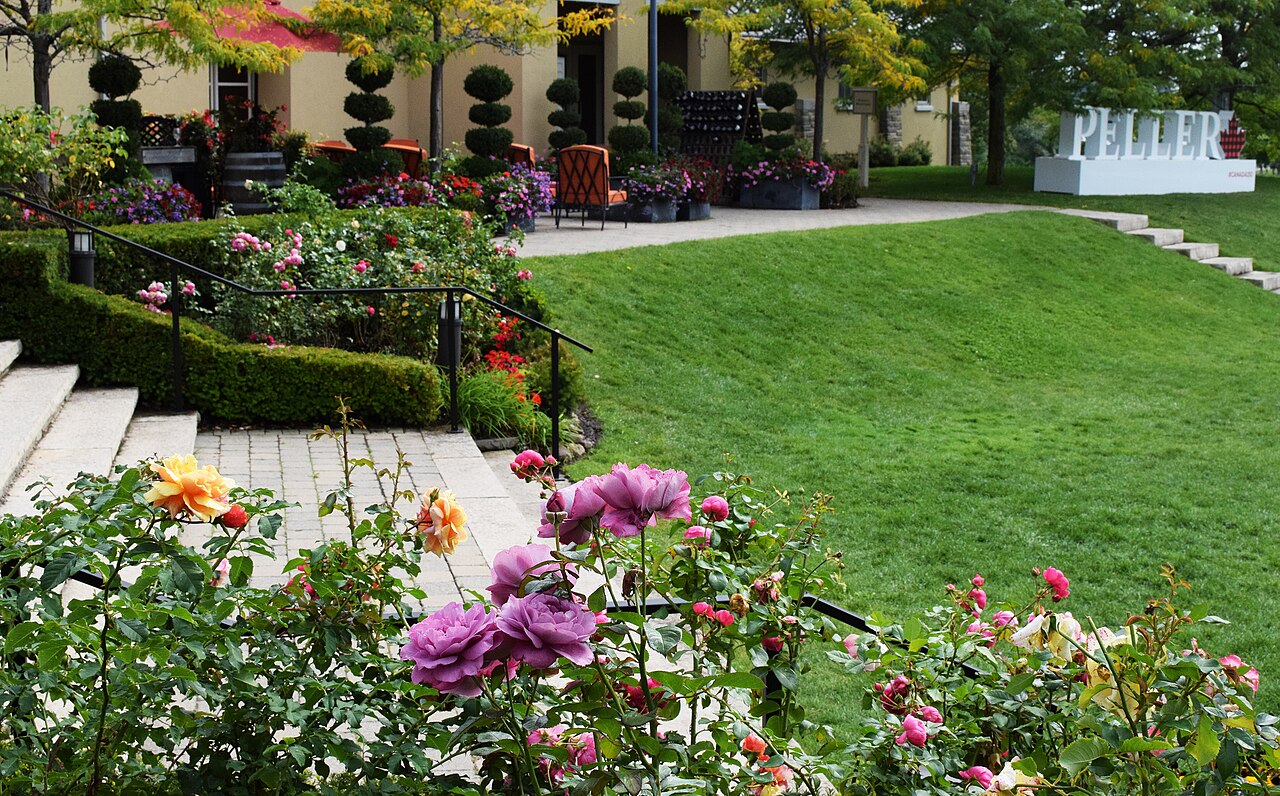
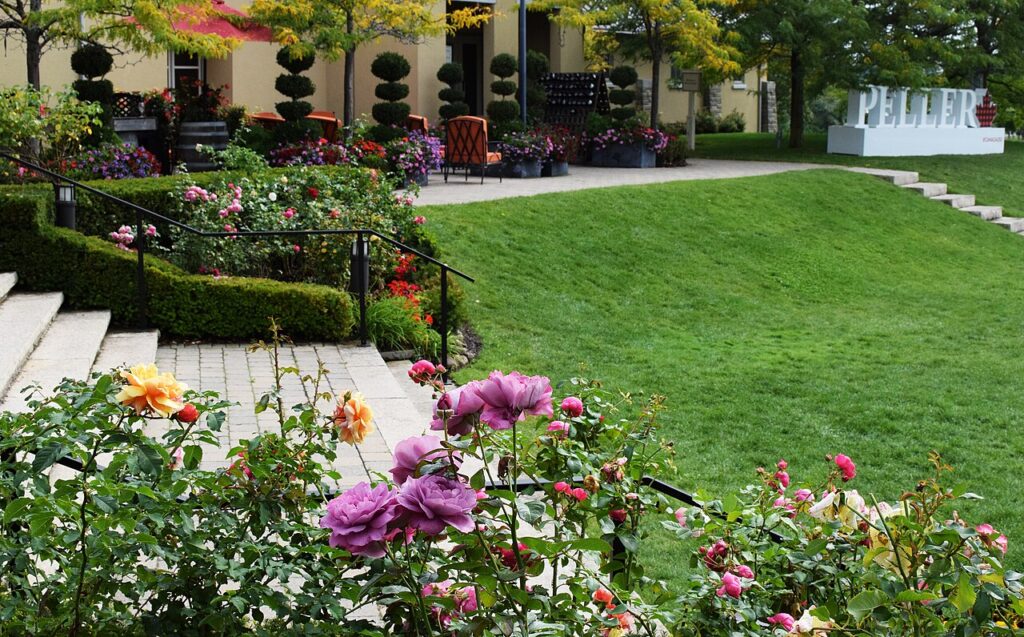
Peller Estates
A large, well-known estate on John Street East, part of Andrew Peller Ltd. It runs tours, an on-site fine-dining restaurant open daily, and icewine-focused experiences. Booking ahead for the restaurant and seated experiences is wise.
Trius Winery
Another Andrew Peller brand, known for sparkling wines and red blends, with the on-site Trius Winery Restaurant that you can book through OpenTable. A good choice if you want lunch built into the visit.
Two Sisters Vineyards and Kitchen76
An upscale estate on John Street East. Its restaurant, Kitchen76, serves classic Italian cooking paired to the house wines; reservations are strongly recommended and can be made via Tock or OpenTable.
Inniskillin
The historic pioneer, on the Niagara Parkway. Founders Karl Kaiser and Donald Ziraldo received the first Ontario winery licence granted since Prohibition, on 31 July 1975, made the first Ontario icewine in 1984, and took the 1991 Bordeaux prize. It remains a major icewine destination. (See the winery’s own site, inniskillin.com, for current experiences.)
Jackson-Triggs Niagara Estate
A large modern estate offering tours, with seasonal retail hours (longer in summer, reduced through the colder months). Also an Andrew Peller brand and a reliable stop for icewine.
Ravine Vineyard Estate Winery
In St. David’s, on the St. David’s Bench within the Niagara-on-the-Lake appellation. Run by the Lowrey family on one of Niagara’s oldest commercial vineyard sites (five generations of farming), with an organic-focused approach and a well-regarded farm-to-table restaurant and bakery. Reservations recommended.
Reif Estate Winery
An established family estate on the Niagara Parkway with German winemaking heritage and a strong reputation for icewine and Riesling.
Stratus Vineyards
Notable as the world’s first LEED-certified winery (2005). Stratus is known for its blended “assemblage” wines and sustainable, dry-farmed, herbicide-free viticulture. Hours are seasonal — broadly daily through the warmer months and reduced to roughly Wednesday to Sunday from November to April — so check before visiting off-season.
Konzelmann Estate Winery
On Lakeshore Road, this is Niagara’s only lakefront winery, sitting right on the shore of Lake Ontario. Founded by Herbert Konzelmann, who arrived from Stuttgart in 1984, it is known for Riesling, aromatic whites and icewine, all shaped by its lake mesoclimate. (See konzelmann.ca.)
Chateau des Charmes
A family estate in St. David’s, founded in 1978 by vinifera pioneer Paul Bosc. The Bosc family carries generations of winemaking experience, farms around 120 acres of estate vineyards including on the St. David’s Bench, and is a founding member of Sustainable Winegrowing Ontario. (See chateaudescharmes.com.)
Pillitteri Estates
On Niagara Stone Road, founded in 1993 by Gary Pillitteri. It bills itself as the world’s largest estate icewine producer, with roughly half its production as icewine — made from a wide range of varietals — and exports to more than 27 countries. If icewine is your main interest, put it on the list. (See pillitteri.com.)
Southbrook Vineyards
On Niagara Stone Road, Southbrook was the first Canadian wine estate to earn both organic (ECOCERT) and biodynamic (Demeter) certification, and is also Regenerative Organic Certified. Its LEED Gold hospitality pavilion, grazing sheep and pollinator gardens make it a standout for anyone interested in low-intervention, sustainable farming.
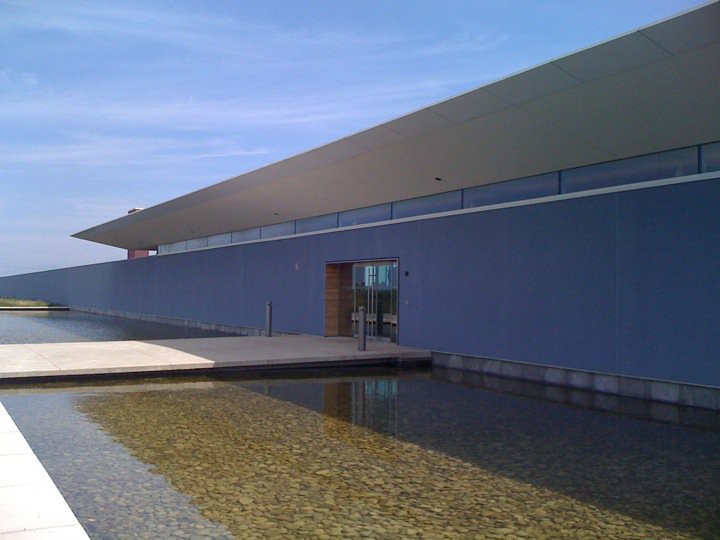
The Bench: Twenty Valley, Vineland, Jordan and Beamsville
West of Niagara-on-the-Lake, the wineries climb onto the escarpment slopes. The Bench sub-appellations — Beamsville, Twenty Mile and Short Hills — give cooler nights, limestone and clay soils and good air drainage. The wineries here tend to be smaller and more terroir-driven, with a run of benchmark producers for Riesling, Chardonnay and Pinot Noir, plus some of the region’s best vineyard views.
Cave Spring Vineyard
In Jordan Village, Cave Spring is one of the Bench’s benchmark Riesling houses, with a historic cellar and hospitality connections to the neighbouring Inn On The Twenty. A natural first stop for anyone chasing Riesling.
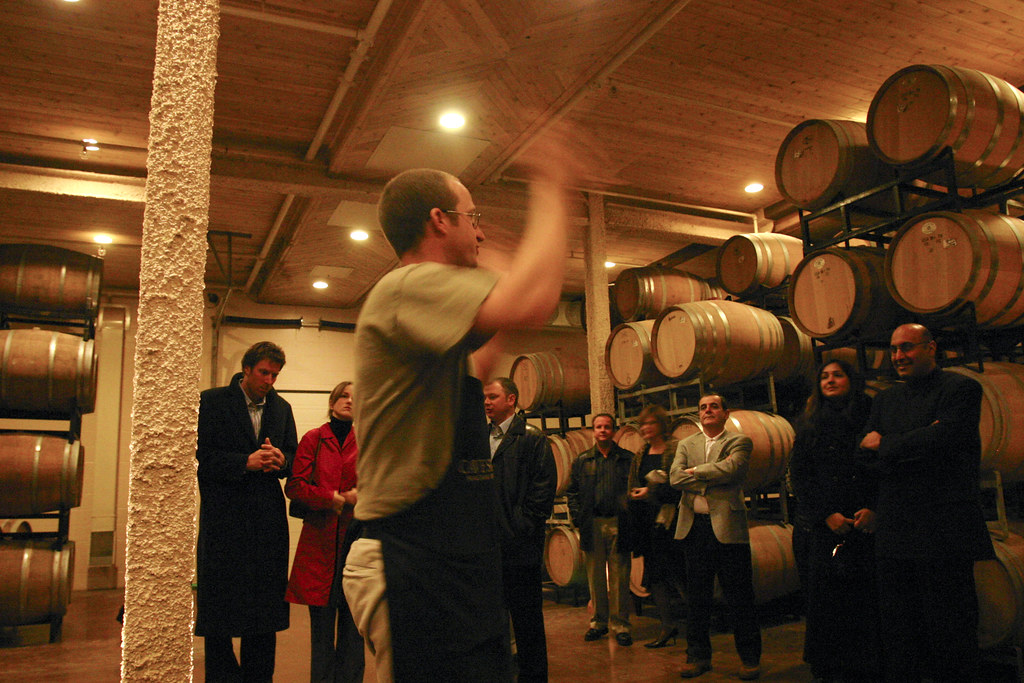
Flat Rock Cellars
Founded in 1999 on the Twenty Mile Bench, with a distinctive hexagonal glass tasting pavilion and panoramic views. Flat Rock uses gravity-flow winemaking and specialises in cool-climate Riesling, Chardonnay and Pinot Noir.
Tawse Winery
On the Twenty Mile Bench, Tawse is a six-tier, gravity-flow winery that opened in 2005, with barrel caves cut into the escarpment. Owner Moray Tawse is a Burgundy devotee, and the estate farms organically and biodynamically with a focus on Chardonnay and Pinot Noir. It has been named Canadian Winery of the Year more than once over the years.
Redstone Winery
Redstone, in Beamsville on the Twenty Mile Bench, is Tawse’s sister winery, also owned by Moray Tawse and named for the property’s red clay soils. It has a restaurant with a vineyard terrace, making it an easy pairing with a Tawse visit.
Malivoire Wine Company
A Beamsville Bench gravity-flow winery and early organic and sustainable adopter, best known for Gamay and rosé alongside Chardonnay and Pinot. (See malivoire.com.)
Thirty Bench Wine Makers
A small-lot Beamsville Bench producer renowned for single-vineyard Riesling, with personalised seated tastings and views over the vineyards to Lake Ontario. Now an Andrew Peller brand. (See thirtybench.com.)
Hidden Bench Estate Winery
A certified-organic Beamsville Bench estate with a boutique, premium reputation for terroir-driven Chardonnay, Pinot Noir and Riesling.
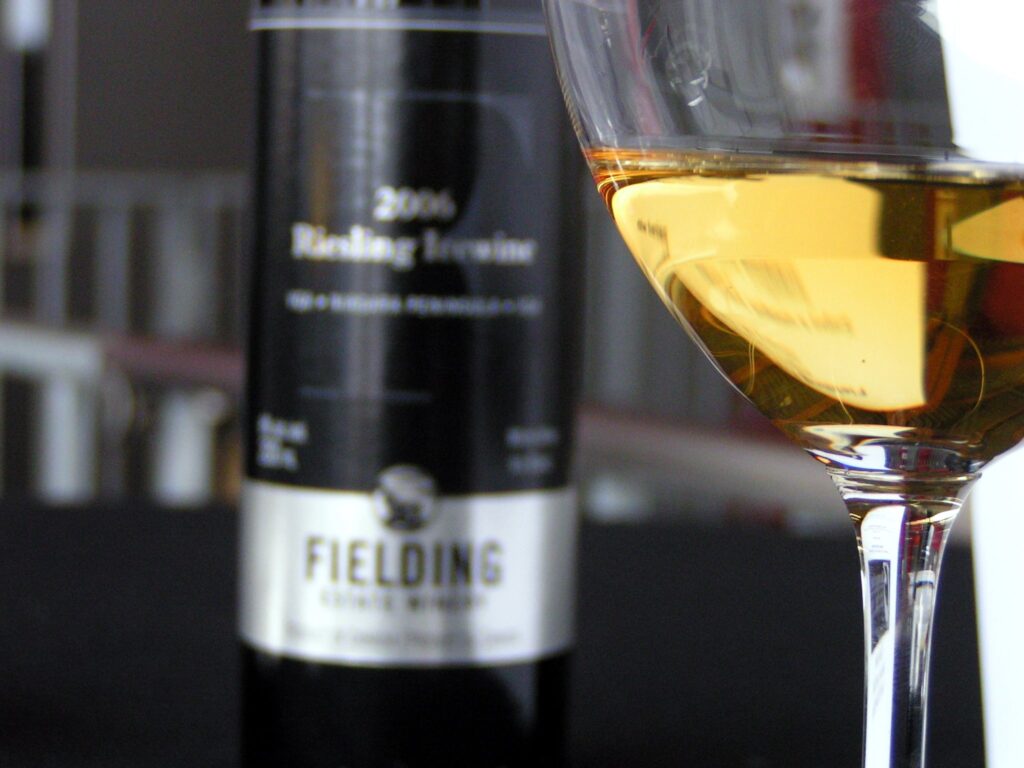
Fielding Estate Winery
A family estate in the Beamsville Bench area with a well-known deck and tasting lodge overlooking the vineyards, and approachable aromatic whites and Riesling. Check current experiences on fieldingwines.com.
Vineland Estates Winery
In Vineland on the Twenty Mile Bench, this was one of Niagara’s first winery restaurants and a pioneer of the region’s wine-and-culinary scene. The estate is scenic, the Riesling is a strength, and the acclaimed on-site restaurant is bookable via OpenTable (typically closed early in the week — confirm current days).
Peninsula Ridge Estates Winery
On the Beamsville Bench, with a restaurant set in a restored 1885 Queen Anne Revival Victorian mansion and views over the Bench, the escarpment and Lake Ontario. The restaurant takes bookings.
Creekside Estate Winery
In Jordan, Creekside has a lively, casual identity and is known for Sauvignon Blanc and Syrah/Shiraz. Check current tasting and patio offerings on creeksidewine.com.
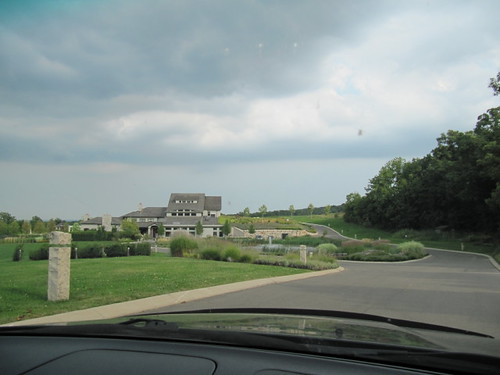
At a glance: the two sub-regions
| Niagara-on-the-Lake | The Bench (Niagara Escarpment) | |
|---|---|---|
| Landscape | Flat lakeside plain | Terraced escarpment slopes |
| Climate/soil | Warmer, lake-moderated, deeper soils | Cooler nights, limestone/clay, good drainage |
| Known for | Large estates, restaurants, icewine | Riesling, Chardonnay, Pinot Noir; views |
| Areas | NOTL town, St. David’s, Niagara Parkway | Twenty Valley, Vineland, Jordan, Beamsville |
| Good for | Polished, food-forward day out | Terroir-driven, boutique tasting day |
Planning a winery day
A realistic day is three to five wineries. More than that feels rushed and, frankly, blurs together. Book a restaurant for the middle of the day and treat everything else as flexible around it.
Reservations
Reservations are increasingly required or strongly recommended for seated tastings, and essentially essential for the winery restaurants. Kitchen76, Trius, Peller, Vineland, Ravine, Redstone and Peninsula Ridge all take bookings, typically through OpenTable or Tock. In peak season, book restaurants well ahead.
Getting around without driving
Tasting means alcohol, so plan for a designated driver or leave the driving to someone else. Your main options:
- Chauffeured limo or van wine tours — multiple operators run these, usually visiting three to five wineries per half or full day. Note that tasting fees are generally not included in the transport price.
- Guided group bus tours — a lower-cost, fixed-itinerary way to see several wineries without organising anything yourself.
- Bike tours — Niagara-on-the-Lake’s flat terrain suits cycling, and operators such as Zoom Leisure rent bikes and package tastings. The Bench is hillier, so gauge your fitness.
If you name an operator, book through its own website and treat any advertised price as a starting point — tour pricing changes year to year.
Tasting fees
Expect a per-flight tasting fee at most estates. These commonly range from a few dollars up to roughly $20–40+ CAD for premium or seated experiences, and some wineries waive or credit the fee with a bottle purchase. This varies widely by winery and changes often, so check each winery’s current fees before you go. All Canadian wineries price in Canadian dollars (CAD).
Best season to visit
Summer is peak: patios are open, hours are longest and all the restaurants are running. Early autumn — roughly September and October — is arguably the finest time, with the grape harvest, vineyard colour and harvest events. Winter has its own draw in the January Icewine Festival, though it is quieter and many wineries, especially on the Bench, reduce their hours or open only Wednesday to Sunday (or weekends) from about November to April. If you are visiting off-season, confirm opening days for every winery on your list.
A note on what changes — confirm before you go
As of July 2026, the winery names, locations and sub-regions in this guide are accurate and every winery listed is real and operating. But the volatile details — tasting fees, restaurant and retail hours, opening days, reservation policies, tour pricing and festival dates — change with the season and the year. Use this guide to plan the shape of your trip, then confirm the specifics on each winery’s official website (and with VQA Ontario for appellation details and the Niagara Icewine Festival for current dates) before you travel. When in doubt, phone ahead.
Frequently asked questions
What is the difference between Niagara-on-the-Lake wineries and the Bench?
Niagara-on-the-Lake is the flat, lake-moderated plain near the town and the Niagara River, home to large estates, restaurants and most icewine producers. The Bench is the cooler, better-drained escarpment slope further west (Twenty Valley, Vineland, Jordan, Beamsville), known for terroir-driven Riesling, Chardonnay and Pinot Noir plus vineyard views. Most visitors mix both.
What is Niagara icewine and where can I taste it?
Icewine is a concentrated dessert wine made from grapes left on the vine and hand-harvested only when the air hits -8 degrees Celsius or colder, then pressed while frozen. It is tightly regulated by VQA, and 'Icewine' is a trademarked term only VQA producers may use. You can taste it year-round at producers such as Inniskillin, Peller Estates, Pillitteri, Jackson-Triggs, Reif and Konzelmann. Inniskillin made the first Ontario icewine in 1984.
How many wineries can I realistically visit in a day?
Three to five is realistic. More than that feels rushed and the wines blur together. Book a winery restaurant for the middle of the day and keep the rest of the itinerary flexible around it.
How do I visit Niagara wineries without driving?
Options include chauffeured limo or van wine tours (usually three to five wineries per half or full day), guided group bus tours, and self-guided or guided bike tours, which suit Niagara-on-the-Lake's flat terrain. Tasting fees are generally not included in tour transport prices, so budget separately.
Do Niagara wineries charge tasting fees, and do I need reservations?
Most estates charge a per-flight tasting fee, commonly a few dollars up to roughly 20 to 40+ CAD for premium or seated experiences, sometimes waived or credited with a bottle purchase. Fees and policies vary and change, so confirm each winery. Reservations are increasingly recommended for seated tastings and essential for winery restaurants such as Kitchen76, Trius, Peller, Vineland, Ravine, Redstone and Peninsula Ridge.
When is the best time of year to visit Niagara wine country?
Summer offers the longest hours and open patios, while early autumn (September to October) brings the harvest, vineyard colour and harvest events. January means the Niagara Icewine Festival but quieter, colder days, and many Bench wineries cut back to Wednesday-to-Sunday or weekend hours from about November to April. Confirm opening days off-season.